
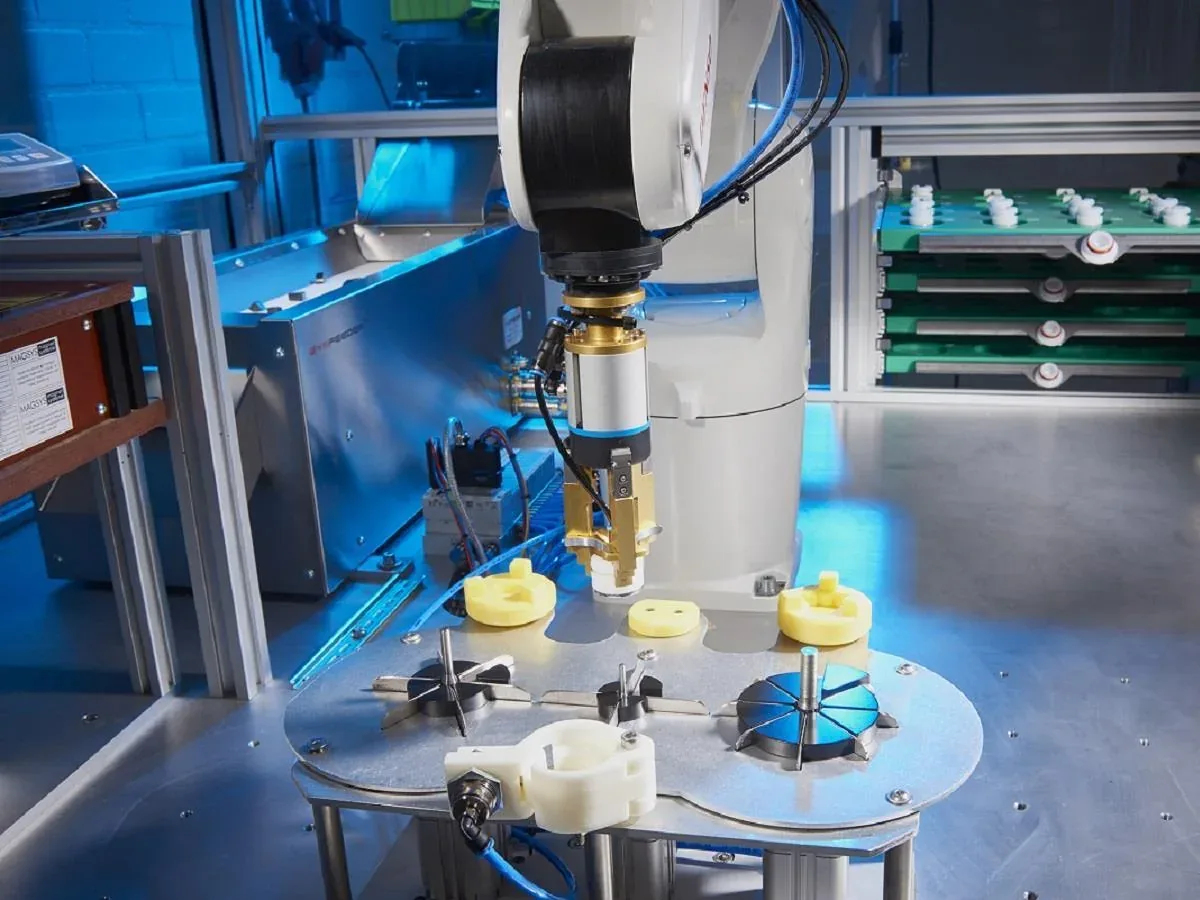
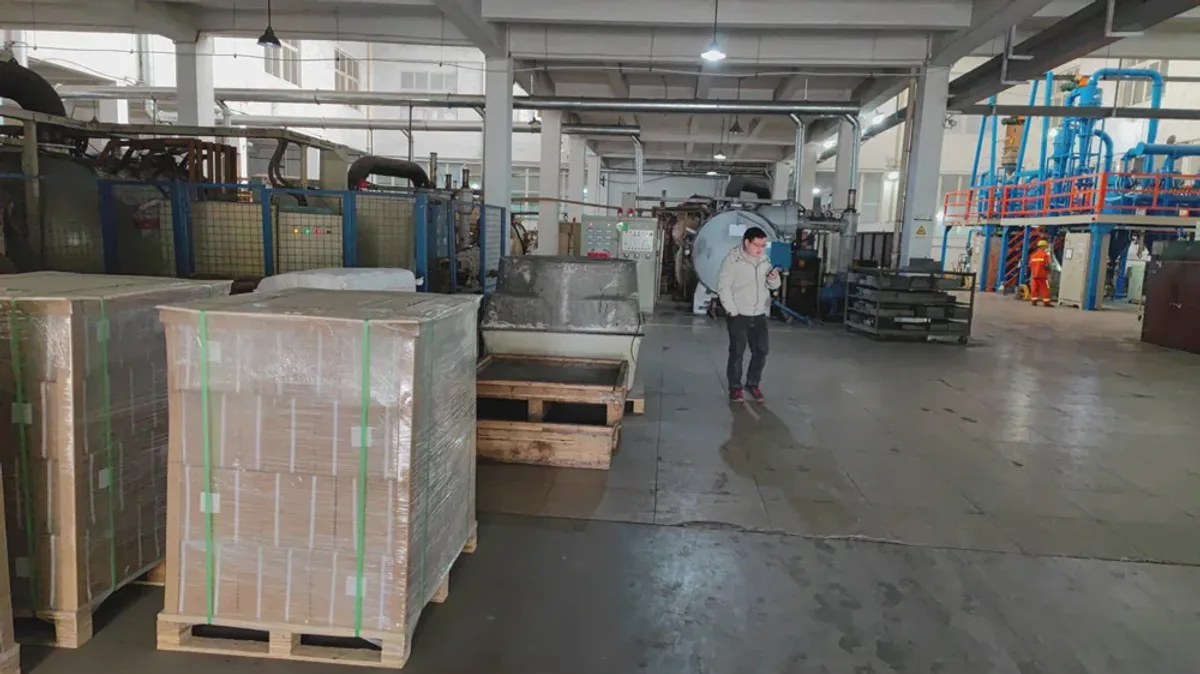
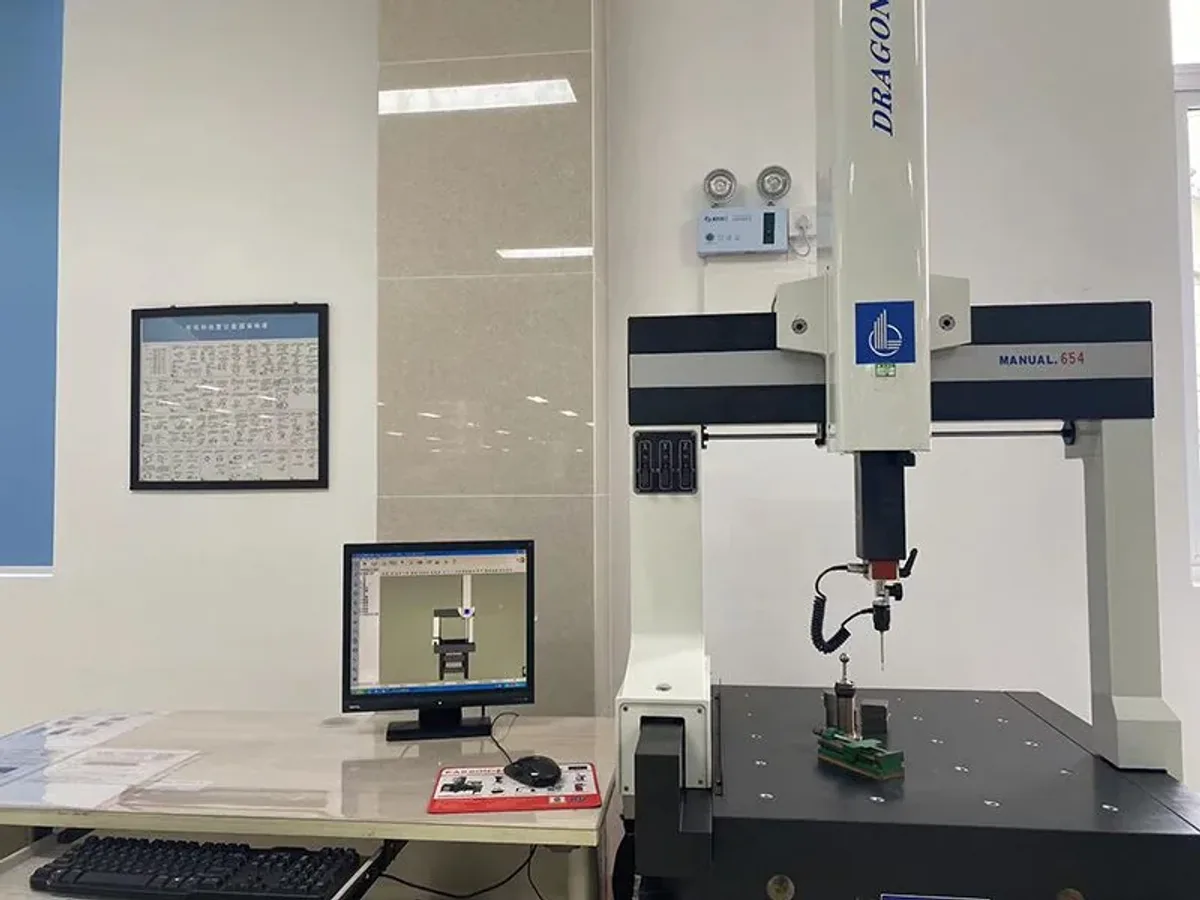
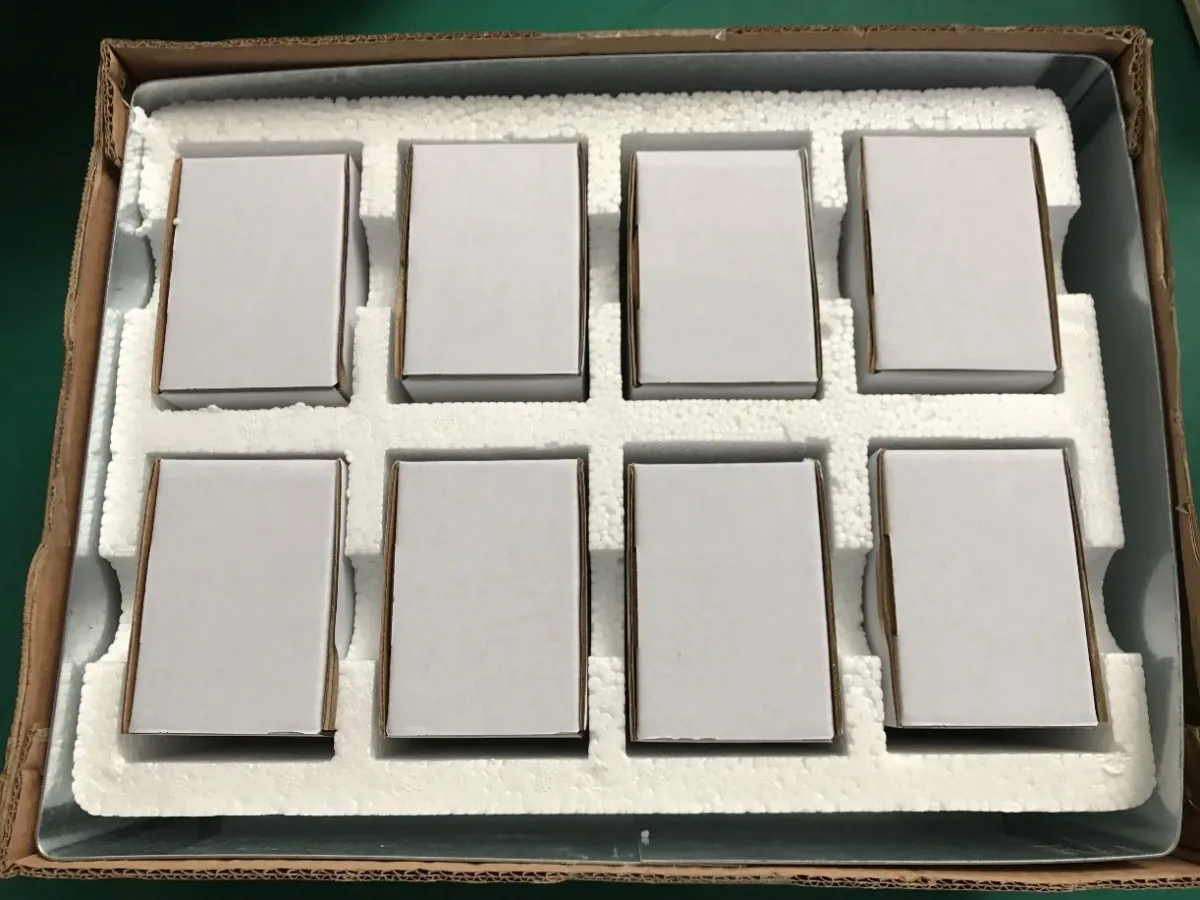
Engineered magnetic material production
Application-specific module

Custom assemblies.
Engineered to your drawing.

Anything that combines a magnet with mechanical, electrical or fluid components — engineered to your drawing, validated against your application, delivered as a tested module. From magnet array and shaft through bearing housing and encoder mount.

What we build

Custom modules across industries.

  • Integrated Motor Modules

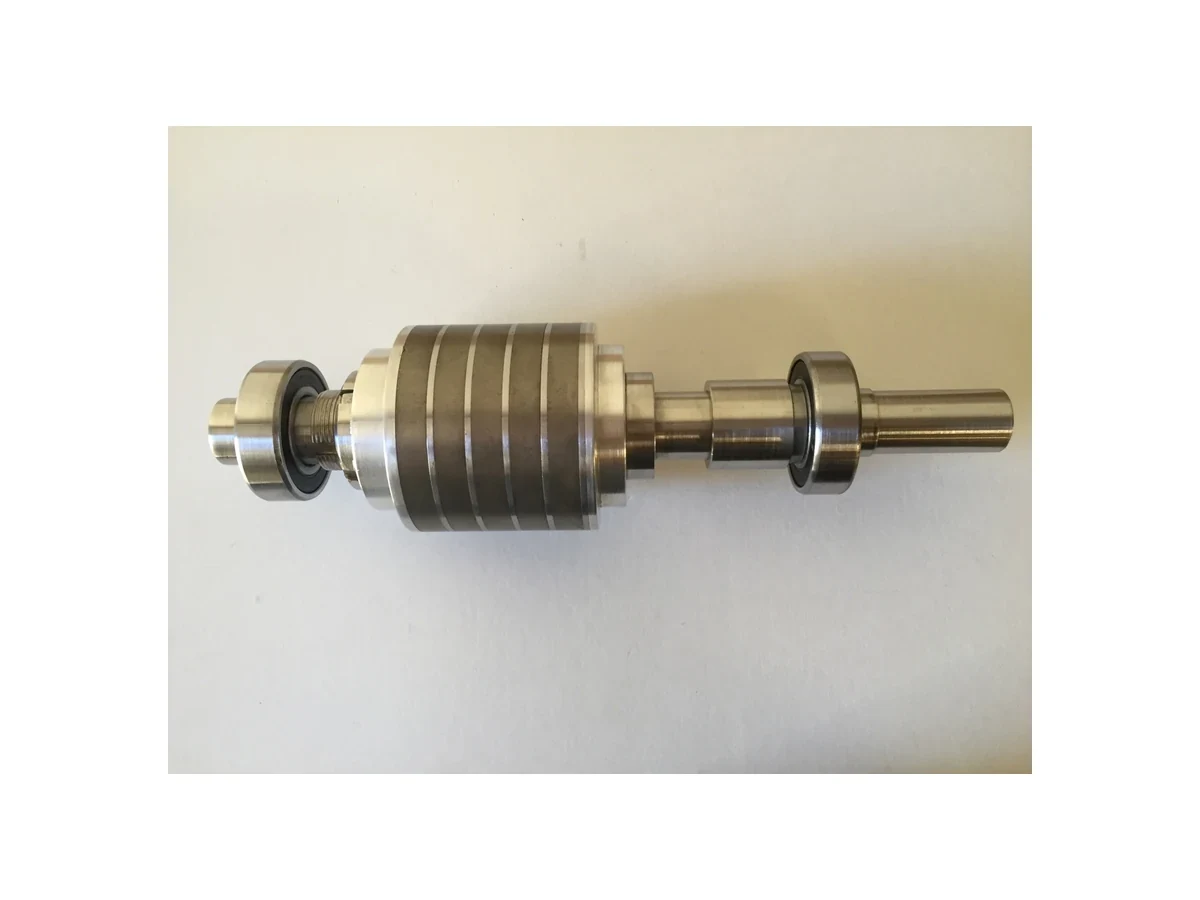
    Magnet array, shaft, bearing housing and encoder mount, ready to drop into a motor.

  • Magnetic Workholding

    Chucks, fixtures and clamping systems for machining and grinding.

  • Magnetic Separator Cores

    High-gradient magnetic separator cartridges for food, mining and recycling.

  • Custom Engineered Modules

    Anything that combines a magnet with mechanical, electrical or fluid components — engineered to your drawing.

Product geometry

Modules we have built.

Representative custom assemblies combining magnets with machined housings or sealed enclosures.

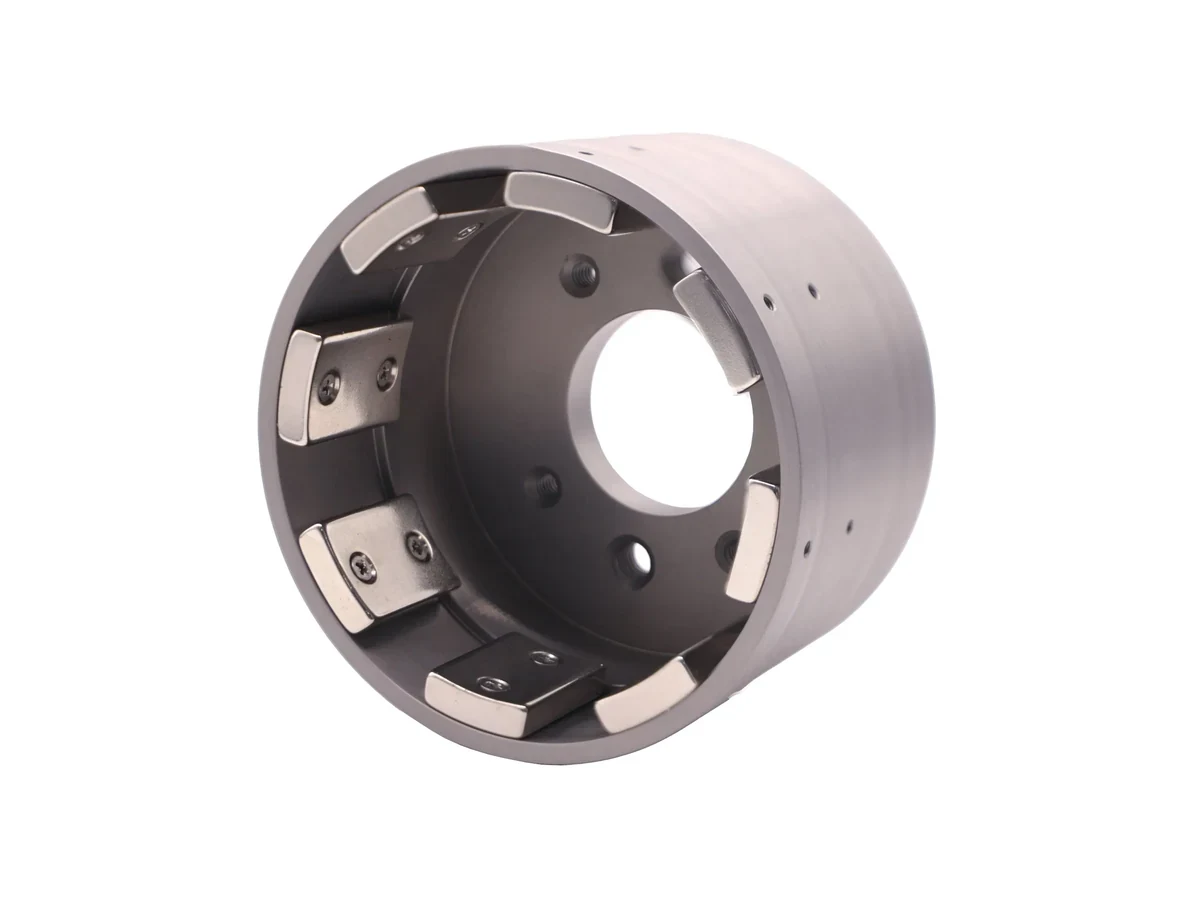
  • Custom magnet assembly fitted in a machined housing
    01

    Housed assembly

    Magnet assembly located in a machined housing

  • Hermetically sealed custom magnet assembly
    02

    Hermetic assembly

    Sealed against fluid and gas ingress

Capabilities

What we hold.

  • CAD formats accepted STEP, IGES, SolidWorks, NX, CATIA
  • Prototyping 3D printing, soft tooling, fast-turn CNC
  • Materials in-house NdFeB, SmCo, ferrite, AlNiCo, steel, SS
  • Outsourced partners Bearings, electronics, polymers (qualified)
  • Validation Functional, environmental, lifecycle testing
  • PPAP support Tier-1 automotive qualified
Applications

Where custom assemblies are specified.

  • EV traction motor modules

  • Wind turbine pitch and yaw systems

  • Industrial servo assemblies

  • Magnetic workholding and chucks

  • Magnetic separator cartridges

  • Custom OEM assemblies

Specification guide

Choose a custom magnetic assembly with the application in view.

Custom assemblies reduce integration work only when the supplier owns the interfaces, evidence and change control. Start with the system function, then define the magnet, mechanical, polymer and documentation boundaries.

A good fit when

The material earns its place.

  • OEM programs that need a tested module instead of several component suppliers
  • Assemblies combining magnets with shafts, housings, bearings, sensors or polymers
  • Projects with repeatable functional tests and a clear drawing or interface control document
  • Teams that need PPAP, FAI, traceability or controlled engineering changes

Check before release

Resolve these trade-offs early.

  • A broad 'custom' brief still needs a measurable functional requirement
  • Supplier-managed components require clear specifications, approved sources and change notification
  • Prototype tooling and production tooling may produce different shrinkage, tolerance or performance
  • Cost, lead time and validation scope should be traded against the actual annual volume
RFQ preparation

Give engineering the information that changes the answer.

A drawing alone may not define the magnetic requirement. These inputs help us recommend the right grade, geometry, coating and inspection plan instead of quoting a generic part.

01

System function

Describe what the module must do, the mating assembly, duty cycle, environment, life target and the failure modes that matter.

02

Interface control

Provide drawing, STEP or ICD data for mounting, electrical, fluid, shaft, connector, datum and envelope interfaces.

03

Supply boundary

List which components are supplied, sourced, assembled or tested by the supplier, including approved materials and sub-suppliers.

04

Quality file

State required FAI, PPAP level, control plan, MSA, traceability, certificates, sample approval and engineering-change process.

Acceptance planning

Define the evidence before the first production order.

Inspection scope should follow the failure mode. We can align the report format, sample quantity and release criteria during drawing review.

01

Functional test

Build a test that reproduces the customer's use condition and records the functional output, limits and test equipment.

02

Interface inspection

Inspect critical mechanical, electrical and fluid interfaces with the same datums used for assembly and customer acceptance.

03

Environmental and life

Use the agreed temperature, vibration, humidity, chemical, pressure and lifecycle sequence on the complete module.

04

Change control

Document approved sources, process parameters, revision status, deviation handling and notification before production changes.

Buyer questions

The short version before you send a drawing.

What counts as a custom assembly?

It can be any delivered module that combines a magnet with mechanical, polymer, electrical or fluid components and is supplied against an agreed function, drawing and acceptance plan.

Can you work from a sample instead of a drawing?

A sample can start the review, but production release still needs measurable geometry, materials, interfaces, performance and inspection criteria.

How early should we involve you?

Earlier is usually better when the magnetic circuit, retention, material route or assembly sequence is still open. We can then trade performance, cost, tooling and validation before design freeze.

Global magnet shipment preparation
Start a project

Send the drawing. Tell us
what the magnet has to do.

Our engineering team can review material, operating conditions, magnetic requirements, manufacturing route and validation needs before quotation.

RFQ channel rfq@china-empire.com
General service services@china-empire.com
Engineering review Drawings and requirements welcome