
Engineered magnetic material production
Magnet + polymer

Overmolded magnets.
Sealed, repeatable.

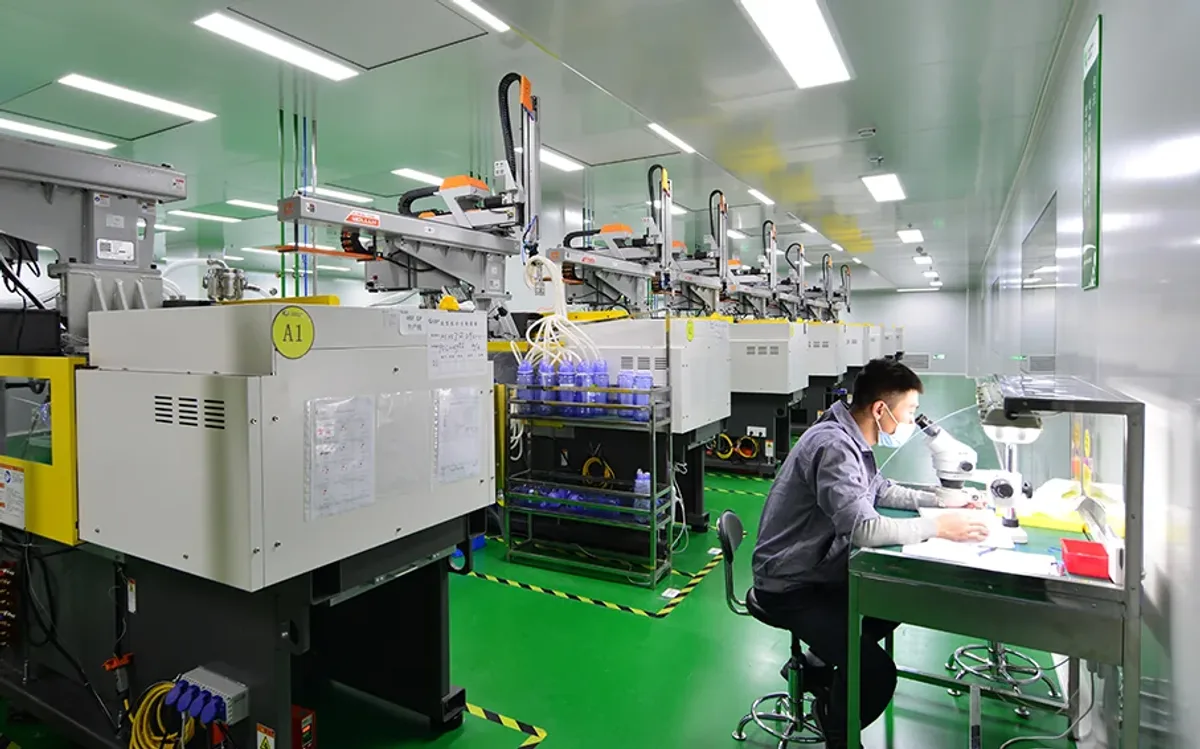
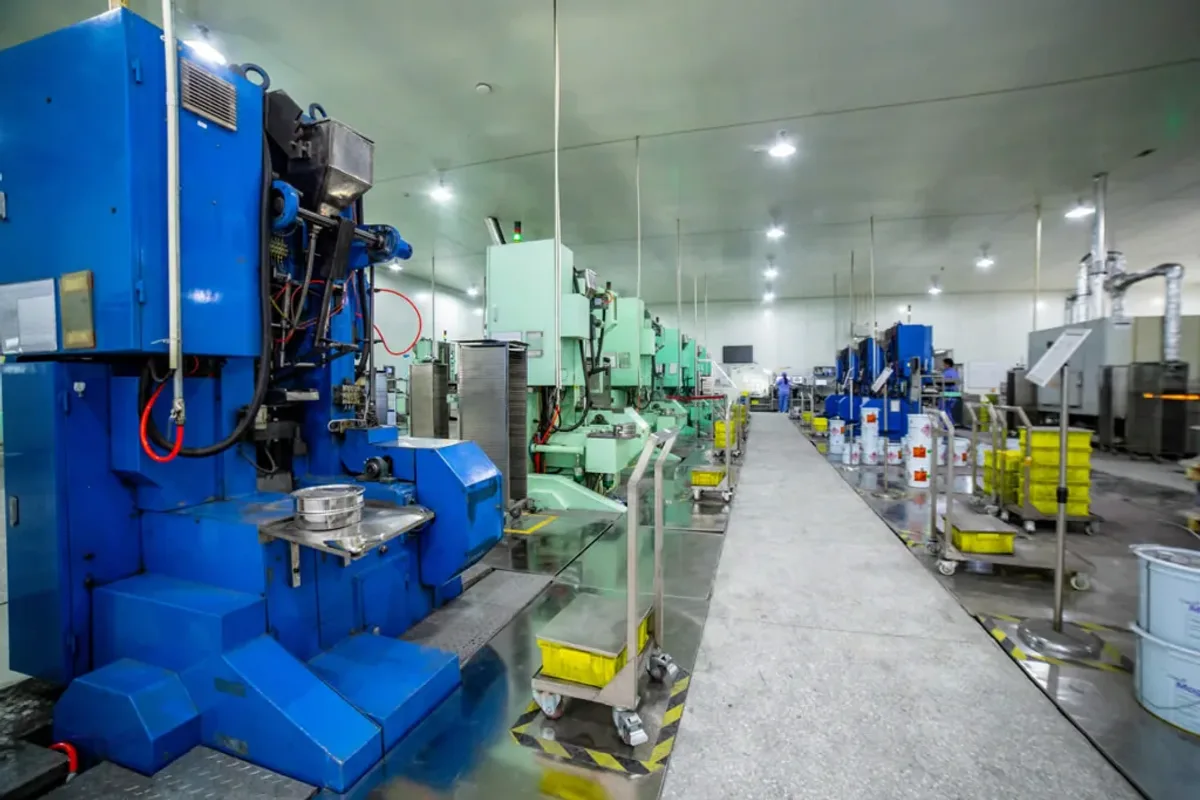
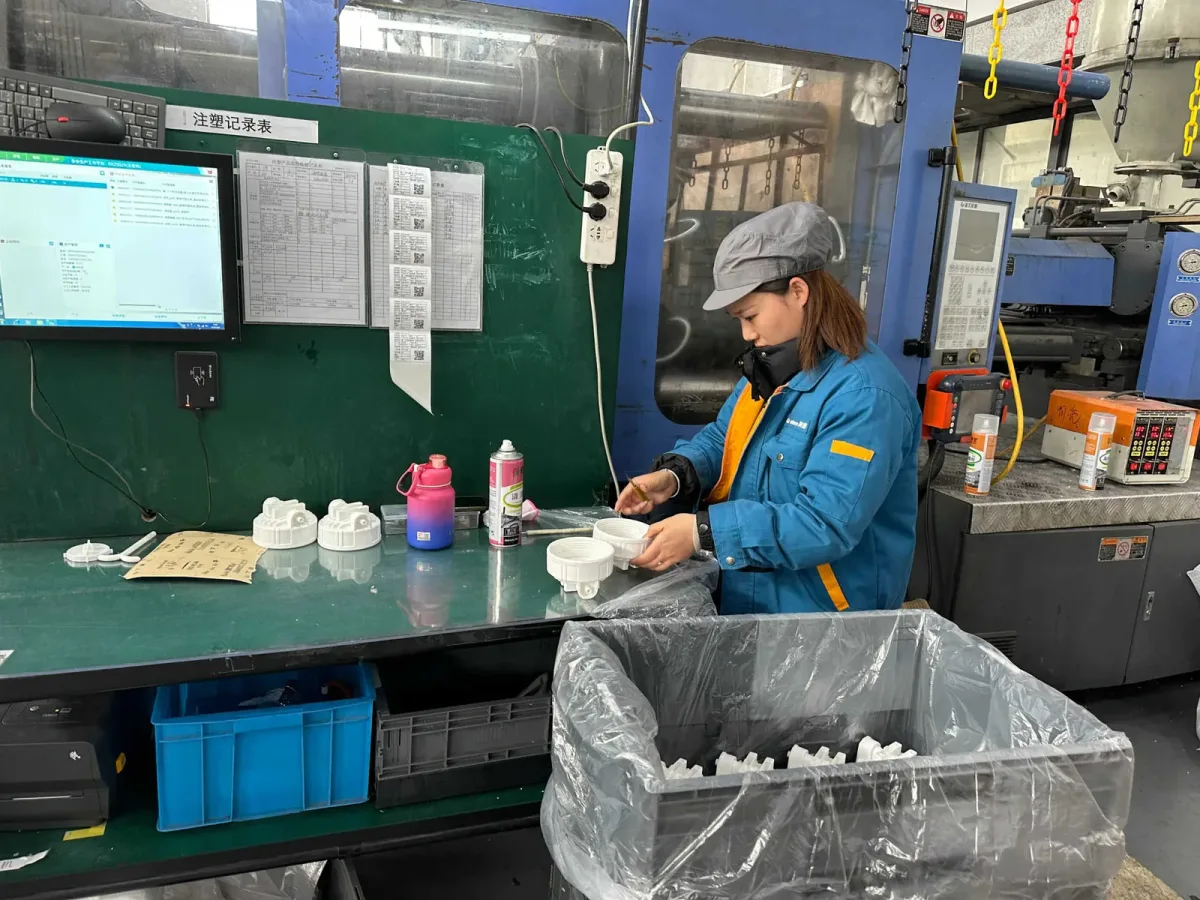
Insert-molded, two-shot and encapsulated magnets with engineering polymer overmolding. Sealed against moisture, chemicals and mechanical impact. Specified for automotive sensors, pumps, motors and medical devices where reliability under harsh conditions is non-negotiable.

Overmolding types

Three overmolding processes.

  • Insert Molding

    Magnet inserted into a mold and encapsulated with polymer. Most common overmolding method for sensor and motor magnets.

  • Two-Shot Molding

    Magnet pre-formed and overmolded in a second shot. Tighter dimensional control and integrated features.

  • Encapsulation / Potting

    Pre-assembled magnet encased in thermoset polymer. Used for harsh-environment sealing.

Product geometry

Overmolded parts we supply.

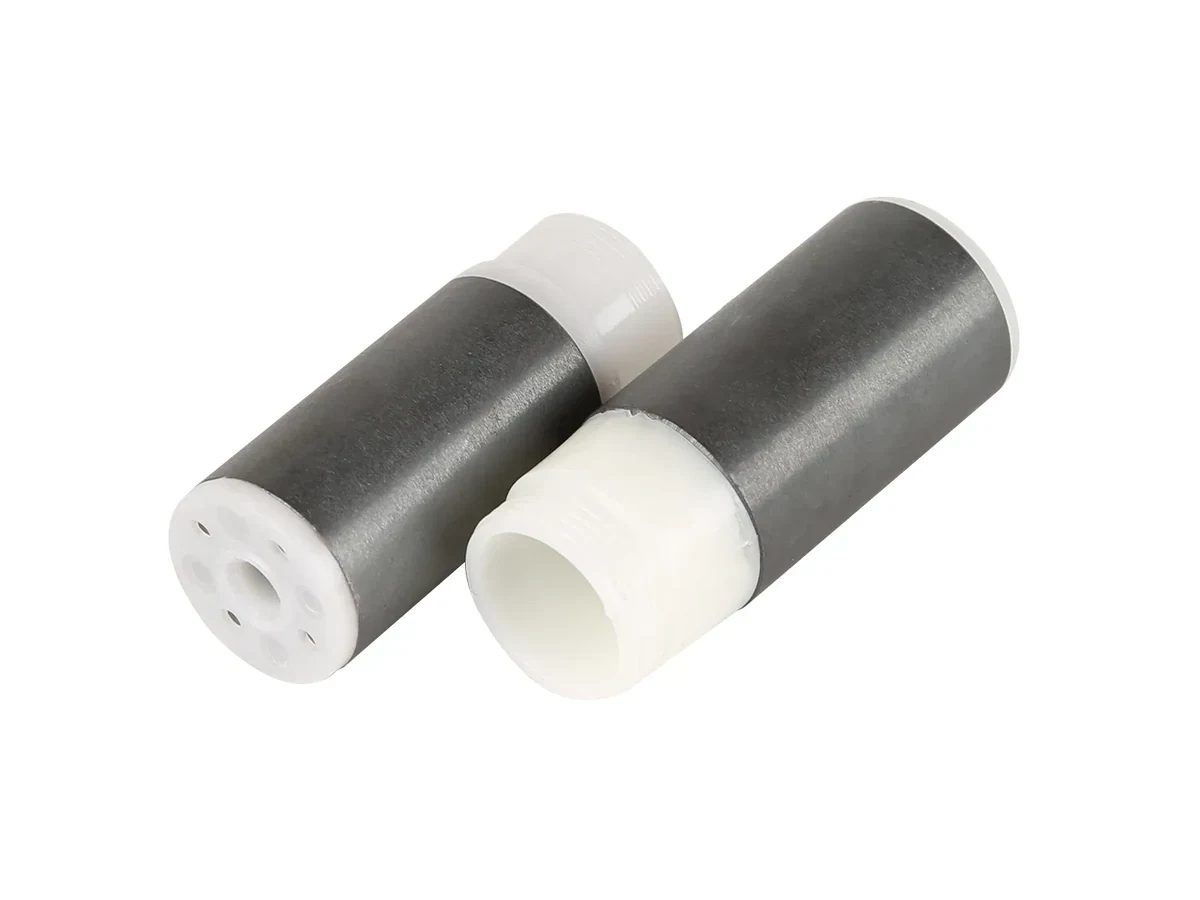
Representative overmolded magnets showing the polymer body encapsulating the magnet.

  • Overmoulded ferrite magnet pump impeller
    01

    Pump impeller

    Ferrite magnet overmoulded for pump duty

  • Overmoulded ferrite magnet cylinder
    02

    Encapsulated cylinder

    Ferrite magnet sealed inside a polymer body

Capabilities

What we hold.

  • Magnet type NdFeB, SmCo, bonded
  • Polymer PPS, PPA, PA66, PEEK, epoxy
  • Operating temperature −40°C to +200°C
  • Insert tolerance ±0.05mm
  • Pull-off strength Per application spec
  • Tooling In-house mold design & build
Applications

Where overmolded magnets are specified.

  • Automotive sensors (ABS, cam, crank)

  • Pumps and fluid handling

  • Medical and diagnostic devices

  • Industrial encoders

  • Consumer electronics

  • Harsh-environment motors

Specification guide

Choose an overmolded magnet with the application in view.

Overmolding turns a magnet into a sealed, handled component. Polymer choice, insert position, flow, shrinkage, magnet temperature and the final interface must be developed together.

A good fit when

The material earns its place.

  • Sensors, encoders, pumps and motors exposed to moisture or handling damage
  • High-volume parts that benefit from integrated clips, ribs, seals or locating features
  • Assemblies where a repeatable polymer shell simplifies downstream installation
  • Programs with a stable insert, mold and validation plan

Check before release

Resolve these trade-offs early.

  • Molding temperature and pressure can affect the magnet, coating, adhesive or magnetization
  • Polymer shrinkage, insert shift and weld lines can move critical magnetic features
  • Chemical, thermal and pressure exposure must be tested on the complete molded part
  • Tooling changes after design freeze can alter magnetic position and functional output
RFQ preparation

Give engineering the information that changes the answer.

A drawing alone may not define the magnetic requirement. These inputs help us recommend the right grade, geometry, coating and inspection plan instead of quoting a generic part.

01

Polymer environment

Specify temperature, chemicals, humidity, pressure, UV, sterilization, flame rating and expected service life for the polymer shell.

02

Insert definition

Provide magnet grade, coating, magnetization state, insert datum, keep-out zones, adhesive and the allowable magnetic shift.

03

Molded interface

Show clips, seals, ribs, bosses, draft, parting line, gate preference, ejection constraints and critical assembly dimensions.

04

Volume and process

State annual volume, cycle target, cavity strategy, traceability, cosmetic limits and any automotive or medical documentation needs.

Acceptance planning

Define the evidence before the first production order.

Inspection scope should follow the failure mode. We can align the report format, sample quantity and release criteria during drawing review.

01

Insert position

Measure magnet location, orientation, stand-off and critical molded dimensions against the functional drawing.

02

Magnetic output

Test flux, pull, switching or sensor response on the final molded component, not only on the loose magnet.

03

Environmental aging

Run the agreed temperature, humidity, chemical, pressure or sterilization exposure and retest function afterward.

04

Bond and shell integrity

Inspect voids, cracks, flash, weld lines, pull-off or torque retention and any leak or sealing requirement.

Buyer questions

The short version before you send a drawing.

Can the magnet be molded directly into the part?

Insert molding and other encapsulation routes can be evaluated when the magnet, polymer and process window are compatible. The insert must be protected from heat, pressure and movement during molding.

Will overmolding change the magnetic output?

The polymer itself may not change the magnet's intrinsic grade, but position, orientation, air gap, temperature and nearby material can materially change the functional field or sensor response.

Can you make the mold?

Tooling responsibility and ownership can be defined during DFM review. The design should freeze the magnetic datum and critical molded interfaces before tool release.

Global magnet shipment preparation
Start a project

Send the drawing. Tell us
what the magnet has to do.

Our engineering team can review material, operating conditions, magnetic requirements, manufacturing route and validation needs before quotation.

RFQ channel rfq@china-empire.com
General service services@china-empire.com
Engineering review Drawings and requirements welcome