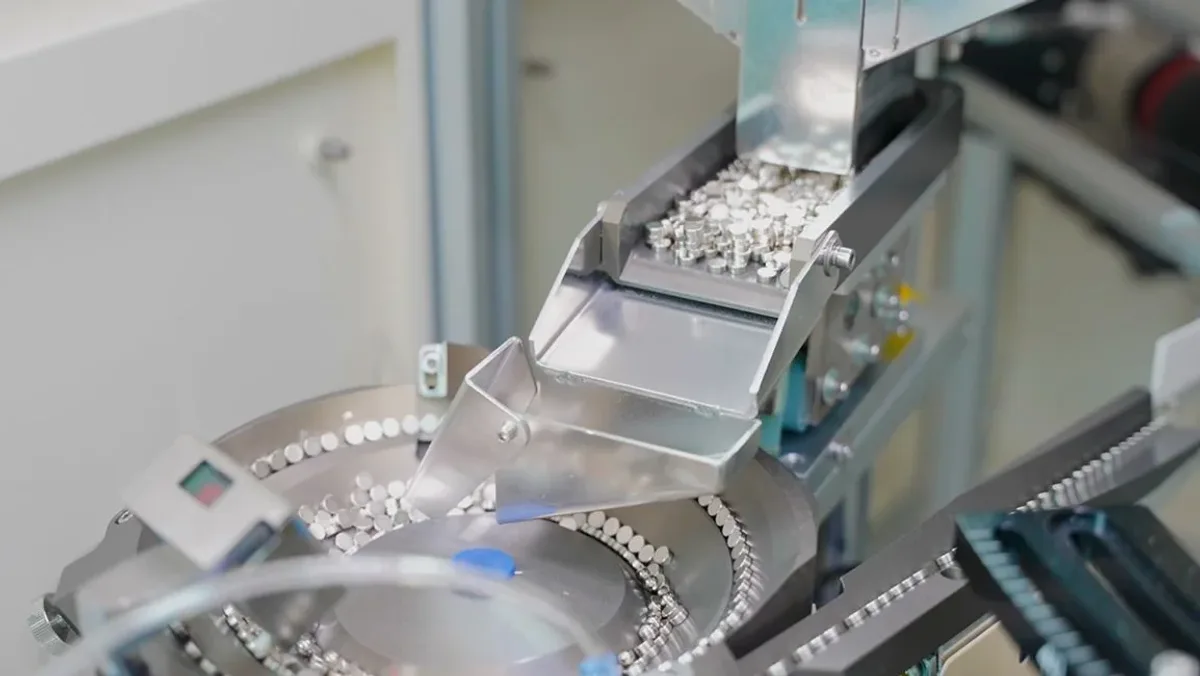
HANDLING
Keep the parts organized.
Separate contact surfaces and maintain the batch identity through the route.
Review the material, precision processing, surface protection and magnetic requirements for your component.

THE MANUFACTURING ROUTE
The material and component determine the route. Each stage is reviewed against the drawing and intended use.
PROCESS AT A GLANCE
Separate contact surfaces and maintain the batch identity through the route.
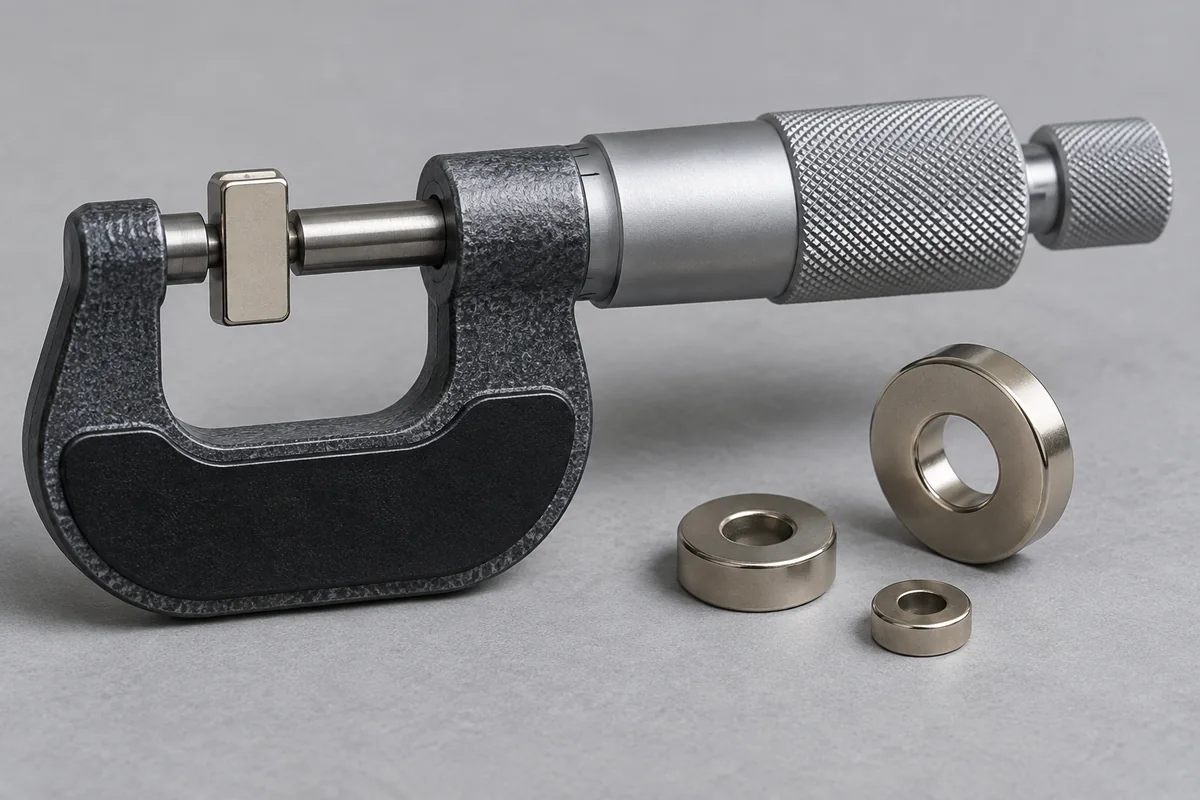
Choose the measurement method for the feature and its acceptance criteria.
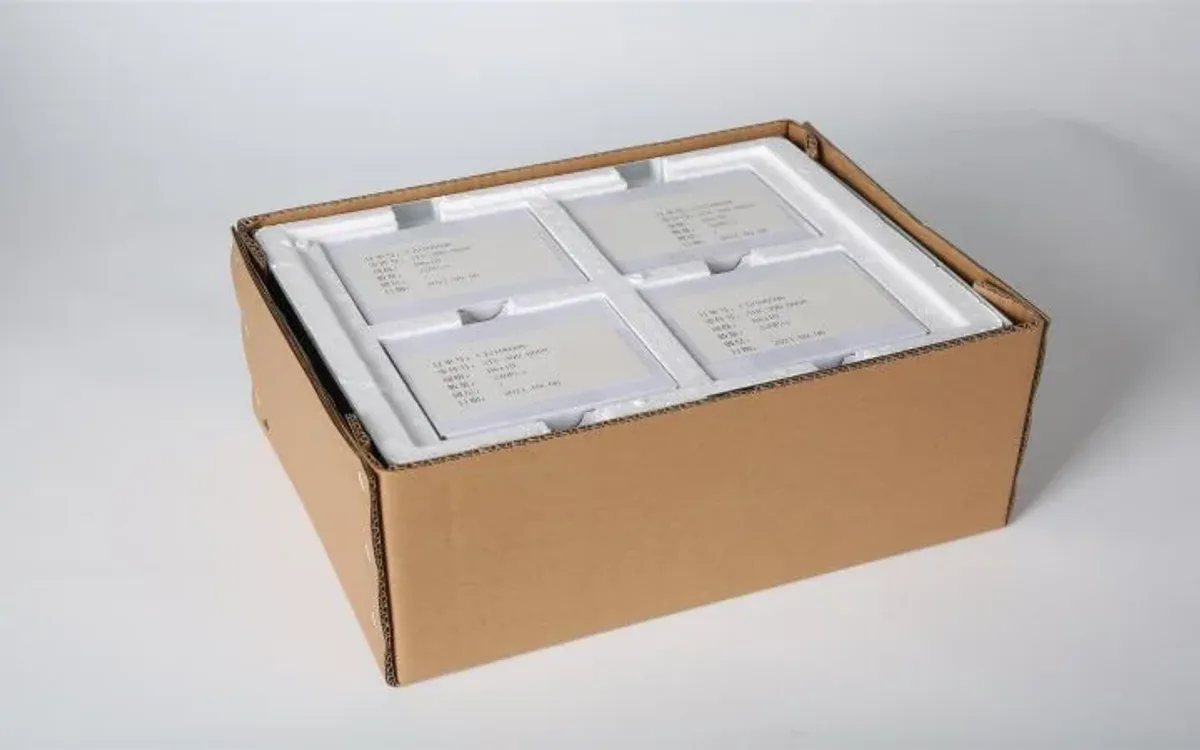
Wrapped components separated in protective compartments.
THE MANUFACTURING ROUTE
Plan the part and its interfaces together.
Use the material specification, drawing and intended use to choose the steps needed for your component.
Route matched to material
Rare-earth alloys, ceramic ferrite, AlNiCo and flexible magnetic materials.
Start with the material family, grade reference and any composition restriction. Record the approved material specification for the part.
Sintered NdFeB route
The selected grade and geometry determine the process sequence. Diffusion is a selected route, not a step required for every NdFeB part. Ferrite, AlNiCo, flexible magnets and soft cores follow their own material-specific routes.
Connect the route to its testsGeometry and mating surfaces
Slicing, grinding, chamfering and drawing-defined geometry.
Identify datums, critical faces, edge breaks and coating allowance. Agree how the finished dimensions will be measured.
Blank-to-part review: compare the starting blank with the finished outline, machining allowance, cutting layout and expected volume. A near-net-shape route can be evaluated alongside tolerance, tooling and material use; the useful yield depends on the actual geometry and process.
Explore the product familyEnvironment-dependent protection
Finishes and coatings matched to the working environment.
Define exposure, contact surfaces and assembly conditions. Confirm the coating system and acceptance test together.
Explore the product familyDefined magnetic orientation
Orientation, pole patterns and magnetic-circuit requirements.
Mark the required direction or pole pattern and the inspection position. State the field or flux requirement with its measurement setup.
Explore the product familyAssembly programs
Magnets integrated with shafts, housings, polymers and mechanical interfaces.
Define supplied parts, fits, retention and the assembly sequence. Identify the interfaces that need sample review.
Explore the product familyAll supply routes
Dimensional and magnetic verification, traceability and protected packing.
Connect the drawing revision, lot identity and agreed measurements. Confirm packaging and release records before shipment.
Quality requirementsENGINEERING TO PRODUCTION
Define magnetic targets, working temperatures and the real operating environment.
Align material, critical features, coating and magnetic orientation.
Review representative samples and the agreed test evidence.
Maintain batch identity, approved revisions and delivery requirements.
For repeat orders, provide the demand forecast, release quantity, delivery location, packing and document requirements. Any call-off, JIT or VMI arrangement needs an agreed stock owner, replenishment rule, lead time and commercial scope before commitment.
PREPARE FOR REVIEW
Start with the drawing and identify the decisions that affect production and acceptance.
FROM YOUR DRAWING TO PRODUCTION
Send the material requirements, drawing interfaces and inspection requirements for your component.
Discuss the Manufacturing Route