High-temperature samarium cobalt magnet production
High-temperature rare earth

SmCo magnets.
Stable where NdFeB gives up.

Samarium cobalt (SmCo 1:5 and 2:17) holds flux up to 350°C. No coating needed for most environments. Specified for aerospace, military, traction motors, downhole tools and any application where temperature, corrosion or long service life are non-negotiable.

Why SmCo

Four reasons to specify SmCo.

  • 01

    Temperature stability

    Stable magnetic output from −60°C to +350°C, with very low reversible temperature coefficient.

  • 02

    Corrosion resistance

    No coating required for most applications — exceptional resistance to humidity and chemicals.

  • 03

    High Hcj ratings

    Intrinsic coercivity up to 1600 kA/m — resists demagnetization under high load conditions.

  • 04

    Long service life

    No oxidation, no plating failure, no risk of hydrogen embrittlement — ideal for safety-critical applications.

Product geometry

Geometry supplied in SmCo.

Standard forms produced in samarium cobalt for high-temperature and corrosion-resistant duty.

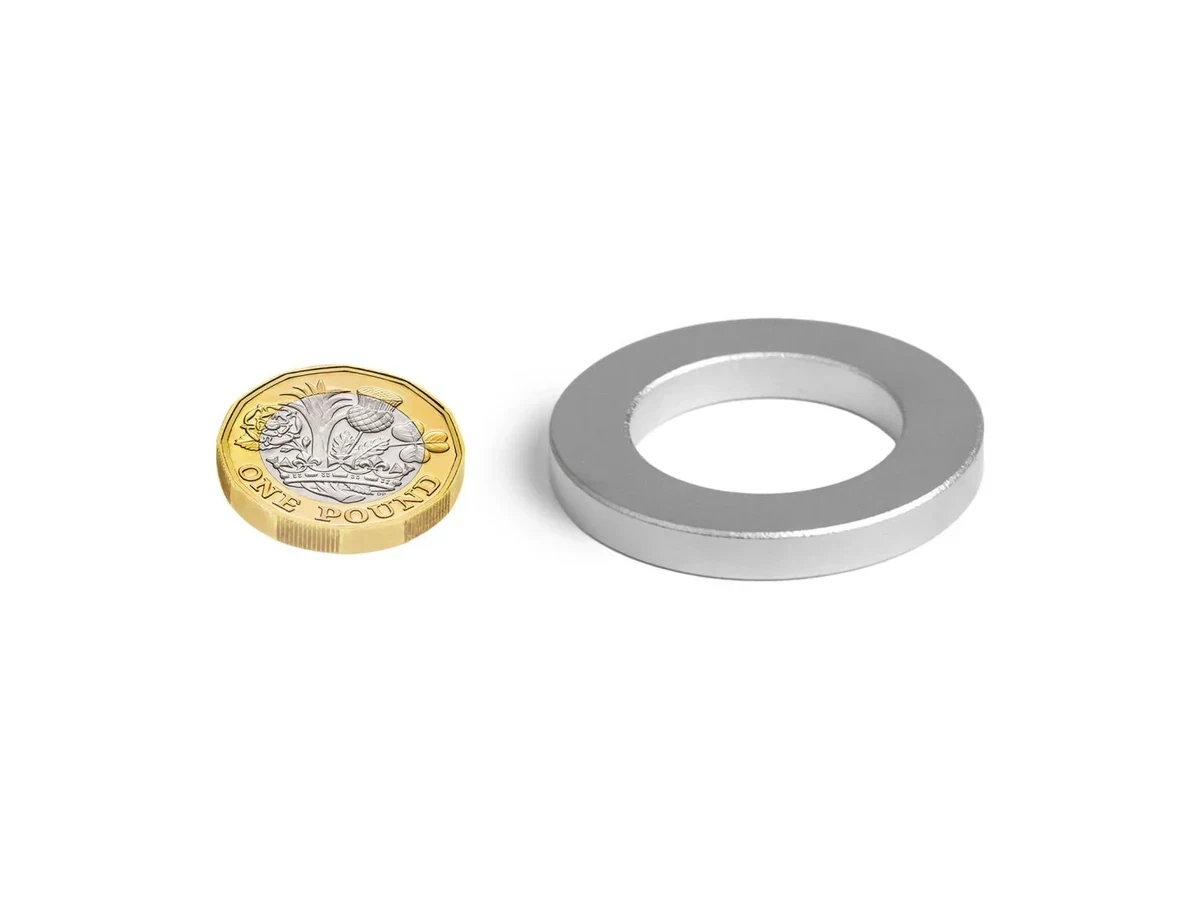
  • Samarium cobalt disc magnets for high-temperature duty
    01

    Discs

    Round geometry for high-temperature duty

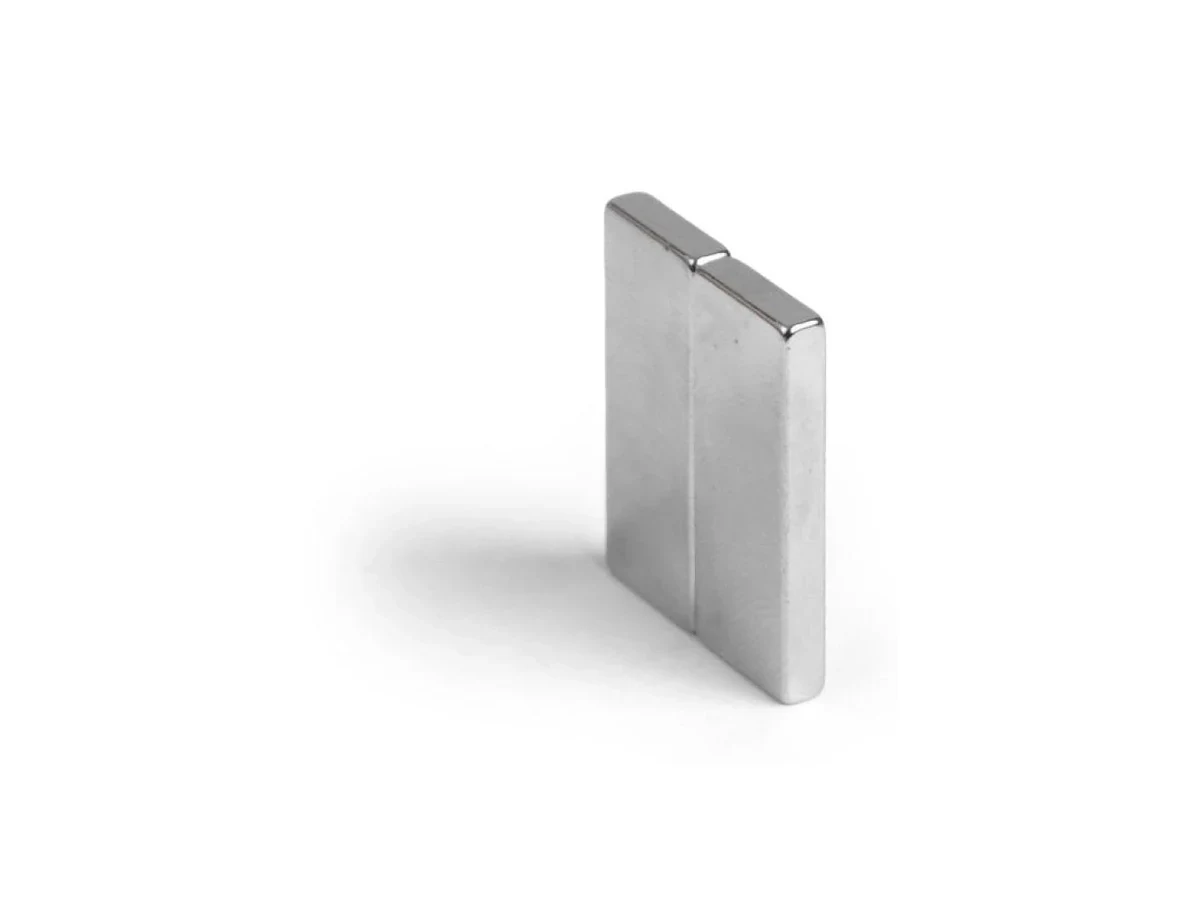
  • Samarium cobalt block magnets
    02

    Blocks

    Rectangular geometry, coating-free in most designs

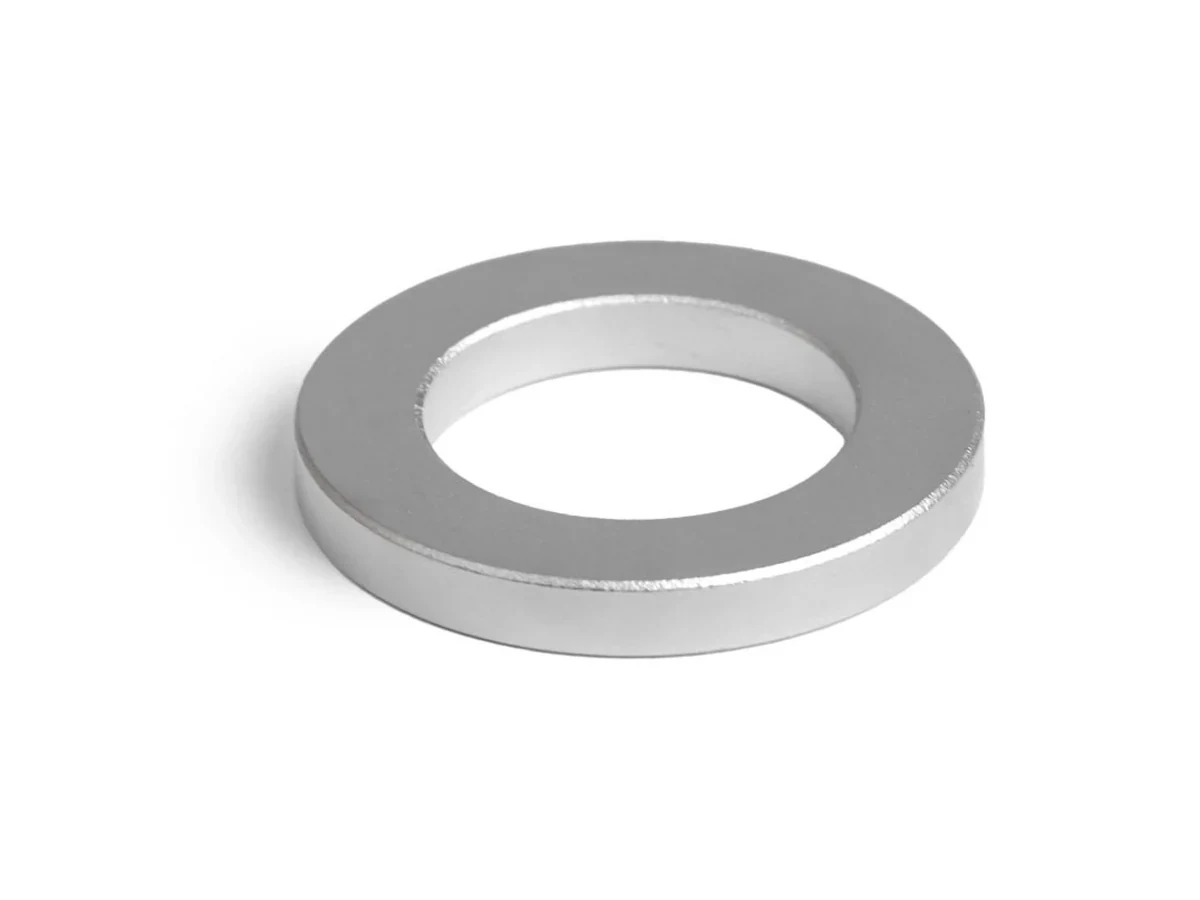
  • Samarium cobalt ring magnets for sensors and instruments
    03

    Rings

    Annular geometry for sensors and instruments

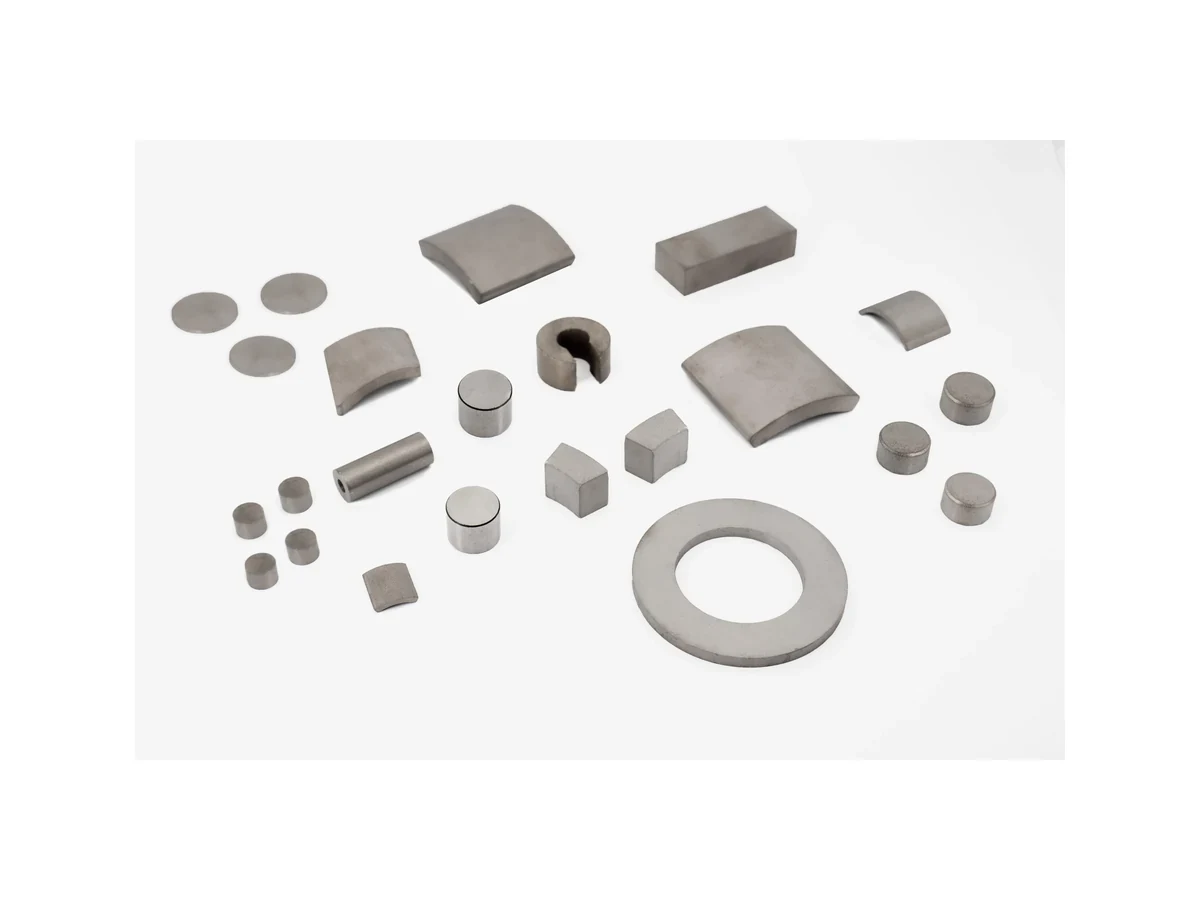
  • Samarium cobalt arc segment magnets
    04

    Arcs

    Segment geometry for motor magnetic circuits

Technical reference

SmCo data, kept intact.

The tables below preserve the legacy empiremagnets.com product information and reference values. Use them for first-pass selection; final acceptance values remain project-specific.

01

Application & grade guidance

5 reference rows Technical datasheet
ApplicationTypical SpecWhy this material
High-temperature motors / actuatorsSmCo 2:17 S24H–S30HStable flux and high coercivity at elevated temperature
Automotive sensorsS22H / S24HTemperature stability and corrosion resistance
Downhole / harsh industrialHTS seriesHigh-temperature margin and chemical resistance
Microwave / instrumentationSmCo 1:5High coercivity and predictable magnetic behavior
Medical / precision equipmentSmCo 2:17Stable output without relying on an external corrosion coating
02

SmCo 1:5 vs 2:17

3 reference rows Technical datasheet
FamilyEnergy / coercivity characterTemperature behaviorProcessing noteTypical use
SmCo₅ (1:5)Lower energy, high coercivityExcellentFine/brittle; grinding onlySmall parts, sensors, microwave devices
Sm₂Co₁₇ (2:17)Higher energy productExcellent to extreme-temperature classesGrinding only; edge protection importantMotors, aerospace/industrial actuators, oil & gas
HTS 2:17Application-specific high-temperature familyUp to ~350°C class where validatedTest condition must be definedDownhole, high-temperature actuation
03

Complete technical grade data

51 reference rows Technical datasheet
GradeBr mT (kGs)Hcb kA/m (kOe)Hcj kA/m (kOe)(BH)max kJ/m³ (MGOe)αBr %/°CβHcj %/°C PDF
S10H580-710 (5.8-7.1)≥422 (≥5.3)≥1990 (≥25)63-95 (8-12)0.030.2 Datasheet
S12H650-760 (6.5-7.6)≥478 (≥6.0)≥1990 (≥25)79-111 (10-14)0.030.2 Datasheet
S14H710-830 (7.1-8.3)≥525 (≥6.6)≥1990 (≥25)95-127 (12-16)0.030.2 Datasheet
S16H790-860 (7.9-8.6)≥589 (≥7.4)≥1990 (≥25)119-143 (15-18)0.030.2 Datasheet
S18H830-890 (8.3-8.9)≥605 (≥7.6)≥1990 (≥25)135-159 (17-20)0.030.2 Datasheet
S20H870-930 (8.7-9.3)≥653 (≥8.2)≥1990 (≥25)151-175 (19-22)0.030.2 Datasheet
S22H910-980 (9.1-9.8)≥693 (≥8.7)≥1990 (≥25)159-183 (20-23)0.030.2 Download
S24H960-1030 (9.6-10.3)≥724 (≥9.1)≥1990 (≥25)175-199 (22-25)0.030.2 Download
S26H1010-1060 (10.1-10.6)≥733 (≥9.2)≥1990 (≥25)191-215 (24-27)0.030.2 Download
S28H1040-1090 (10.4-10.9)≥749 (≥9.4)≥1990 (≥25)207-231 (26-29)0.030.2 Download
S30H1080-1110 (10.8-11.1)≥773 (≥9.7)≥1990 (≥25)222-247 (28-31)0.0350.2 Download
S32H1120-1160 (11.2-11.6)≥812 (≥10.2)≥1990 (≥25)239-263 (30-33)0.0380.2 Download
S34H1150-1180 (11.5-11.8)≥835 (≥10.5)≥1990 (≥25)247-270 (31-34)0.040.25 Datasheet
S35H1170-1200 (11.7-12.0)≥860 (≥10.8)≥1990 (≥25)255-278 (32-35)0.040.25 Datasheet
S10580-710 (5.8-7.1)≥422 (≥5.3)≥1592 (≥20)63-95 (8-12)0.030.2 Datasheet
S12650-760 (6.5-7.6)≥478 (≥6.0)≥1592 (≥20)79-111 (10-14)0.030.2 Datasheet
S14710-830 (7.1-8.3)≥525 (≥6.6)≥1592 (≥20)95-127 (12-16)0.030.2 Datasheet
S16790-860 (7.9-8.6)≥589 (≥7.4)≥1592 (≥20)119-143 (15-18)0.030.2 Datasheet
S18830-890 (8.3-8.9)≥605 (≥7.6)≥1592 (≥20)135-159 (17-20)0.030.2 Datasheet
S20870-930 (8.7-9.3)≥653 (≥8.2)≥1592 (≥20)151-175 (19-22)0.030.2 Datasheet
S22910-980 (9.1-9.8)≥693 (≥8.7)≥1592 (≥20)159-183 (20-23)0.030.2 Datasheet
S24960-1030 (9.6-10.3)≥724 (≥9.1)≥1592 (≥20)175-199 (22-25)0.030.2 Datasheet
S261010-1060 (10.1-10.6)≥733 (≥9.2)≥1592 (≥20)191-215 (24-27)0.030.2 Datasheet
S281040-1090 (10.4-10.9)≥749 (≥9.4)≥1592 (≥20)207-231 (26-29)0.030.2 Datasheet
S301080-1110 (10.8-11.1)≥773 (≥9.7)≥1592 (≥20)222-247 (28-31)0.0350.2 Datasheet
S321100-1130 (11.0-11.3)≥804 (≥10.1)≥1592 (≥20)231-255 (29-32)0.0380.2 Datasheet
S331120-1160 (11.2-11.6)≥812 (≥10.2)≥1592 (≥20)239-263 (30-33)0.0380.2 Datasheet
S341150-1180 (11.5-11.8)≥835 (≥10.5)≥1592 (≥20)247-270 (31-34)0.040.25 Datasheet
S351170-1200 (11.7-12.0)≥860 (≥10.8)≥1592 (≥20)255-278 (32-35)0.040.25 Datasheet
S24M960-1030 (9.6-10.3)597-756 (7.5-9.5)796-1273 (10-16)175-199 (22-25)0.030.2 Datasheet
S26M1010-1060 (10.1-10.6)597-820 (7.5-10.3)796-1273 (10-16)191-215 (24-27)0.030.2 Download
S28M1040-1090 (10.4-10.9)621-836 (7.8-10.5)796-1273 (10-16)207-231 (26-29)0.030.2 Download
S30M1080-1110 (10.8-11.1)621-836 (7.8-10.5)796-1273 (10-16)222-247 (28-31)0.0350.2 Download
S32M1110-1150 (11.1-11.5)717-844 (9.0-10.6)796-1273 (10-16)239-263 (30-33)0.0380.2 Download
S24L960-1030 (9.6-10.3)438-716 (5.5-9)478-796 (6-10)175-199 (22-25)0.030.2 Datasheet
S26L1010-1060 (10.1-10.6)438-716 (5.5-9)478-796 (6-10)191-215 (24-27)0.030.2 Datasheet
S28L1040-1090 (10.4-10.9)438-716 (5.5-9)478-796 (6-10)207-231 (26-29)0.030.2 Datasheet
S30L1080-1120 (10.8-11.2)438-757 (5.5-9.5)478-796 (6-10)222-247 (28-31)0.0350.2 Datasheet
S32L1110-1150 (11.1-11.5)438-757 (5.5-9.5)478-796 (6-10)231-255 (29-32)0.0380.2 Datasheet
HTS20H870-930 (8.7-9.3)≥653 (≥8.2)≥1990 (≥25)151-175 (19-22)0.050.2 Datasheet
HTS22H910-980 (9.1-9.8)≥693 (≥8.7)≥1990 (≥25)159-183 (20-23)0.050.2 Download
HTS24H960-1030 (9.6-10.3)≥724 (≥9.1)≥1990 (≥25)175-199 (22-25)0.050.2 Download
LTS14730-800 (7.3-8.0)≥565 (≥7.1)≥1592 (≥20)103-127 (13-16)0.005–0.010.3 Datasheet
LTS16790-860 (7.9-8.6)≥613 (≥7.7)≥1592 (≥20)119-143 (15-18)0.01–0.0150.3 Datasheet
LTS18830-890 (8.3-8.9)≥645 (≥8.1)≥1592 (≥20)135-159 (17-20)0.015–0.020.3 Datasheet
LTS20870-930 (8.7-9.3)≥653 (≥8.2)≥1592 (≥20)151-175 (19-22)0.02–0.0250.3 Datasheet
PS16H790-860 (7.9-8.6)≥605 (≥7.6)≥1990 (≥25)119-143 (15-18)0.050.3 Datasheet
PS18H840-910 (8.4-9.1)≥645 (≥8.1)≥1990 (≥25)135-159 (17-20)0.050.3 Datasheet
PS20H870-930 (8.7-9.3)≥653 (≥8.2)≥1990 (≥25)151-175 (19-22)0.050.3 Datasheet
PS22H910-980 (9.1-9.8)≥693 (≥8.7)≥1990 (≥25)159-183 (20-23)0.050.3 Datasheet
PS24H950-1010 (9.5-10.1)≥717 (≥9.0)≥1990 (≥25)175-199 (22-25)0.050.3 Datasheet
04

Material characteristics

5 reference rows Technical datasheet
CharacteristicSmCo 1:5SmCo 2:17
Typical useSmall / complex, high-coercivity partsHigher-energy, high-temperature applications
Energy productLower to mediumHigher
Temperature coefficientExcellentExcellent / typically better
CoercivityVery highHigh to very high
Manufacturing noteFine-grain / brittleBrittle; grinding only
05

Geometry & tolerances

4 reference rows Technical datasheet
ProcessTypical ToleranceNotes
As-sintered±0.1 mmNon-critical faces
Ground±0.05 mmStandard mating dimensions
Precision ground±0.02 mmLocating / press-fit dimensions
Parallelism / perpendicularityPer drawingDFM confirmation
Grade datasheets

Download by grade.

Open the exact grade specification directly from this product page.

Reference values are reproduced from the legacy product pages. Confirm grade, test method, tolerance, coating, temperature class and inspection criteria against the released drawing and purchase specification.

Specification guide

Choose SmCo with the application in view.

SmCo is the high-temperature and corrosion-resistant option when the application can accept higher material cost, lower mechanical toughness and tighter handling discipline.

A good fit when

The material earns its place.

  • Magnet temperatures beyond the practical range of standard NdFeB
  • Stable output in aerospace, vacuum, chemical or outdoor environments
  • Designs where coating-free performance is valuable
  • High coercivity requirements under elevated temperature or opposing fields
Check before release

Resolve these trade-offs early.

  • SmCo is brittle; impact, edge chipping and press-fit stress need a controlled assembly method
  • Material cost and rare-earth price exposure may outweigh the benefit in moderate-temperature designs
  • Magnetic performance still depends on grade, geometry, working point and temperature history
  • Do not assume 'no coating' means no environmental or handling specification
RFQ preparation

Give engineering the information that changes the answer.

A drawing alone may not define the magnetic requirement. These inputs help us recommend the right grade, geometry, coating and inspection plan instead of quoting a generic part.

01

Magnet temperature

Give the actual magnet body temperature, thermal gradient and duration. Separate continuous duty from short peak exposure.

02

Mechanical loads

Describe impact, vibration, clamping, adhesive cure and insertion loads. SmCo parts should not be treated like ductile steel components.

03

Magnetic stability

State the allowable flux change, opposing field and temperature coefficient target so 1:5 and 2:17 options can be compared fairly.

04

Handling and packaging

Specify edge protection, pole orientation, keep-away distances, magnetized or unmagnetized shipment and any air-freight constraints.

Acceptance planning

Define the evidence before the first production order.

Inspection scope should follow the failure mode. We can align the report format, sample quantity and release criteria during drawing review.

01

High-temperature exposure

Define the temperature cycle, dwell time, stabilization method and the magnetic property to be rechecked after exposure.

02

Mechanical integrity

Inspect chips, cracks, edge damage and fit condition using agreed visual and dimensional criteria before assembly.

03

Flux stability

Use a controlled fixture and consistent measurement position when verifying flux, field strength or matched sets.

04

Traceability

Tie grade, lot, heat treatment route, inspection results and packing identification to the same batch record.

Buyer questions

The short version before you send a drawing.

Why choose SmCo instead of NdFeB?

SmCo is typically considered when temperature capability, coercivity, corrosion resistance or long-term stability justify its higher cost and more brittle handling characteristics.

Does SmCo need a coating?

Many SmCo designs can be evaluated without a coating, but the final decision still depends on the environment, surface handling, cleanliness and assembly process.

Can SmCo be machined after magnetizing?

Machining strategy should be defined before production. Because SmCo is brittle and magnetic dust must be controlled, most precision processing and inspection planning is completed before final magnetization.

Global magnet shipment preparation
Start a project

Send the drawing. Tell us
what the magnet has to do.

Our engineering team can review material, operating conditions, magnetic requirements, manufacturing route and validation needs before quotation.

RFQ channel rfq@china-empire.com
General service services@china-empire.com
Engineering review Drawings and requirements welcome