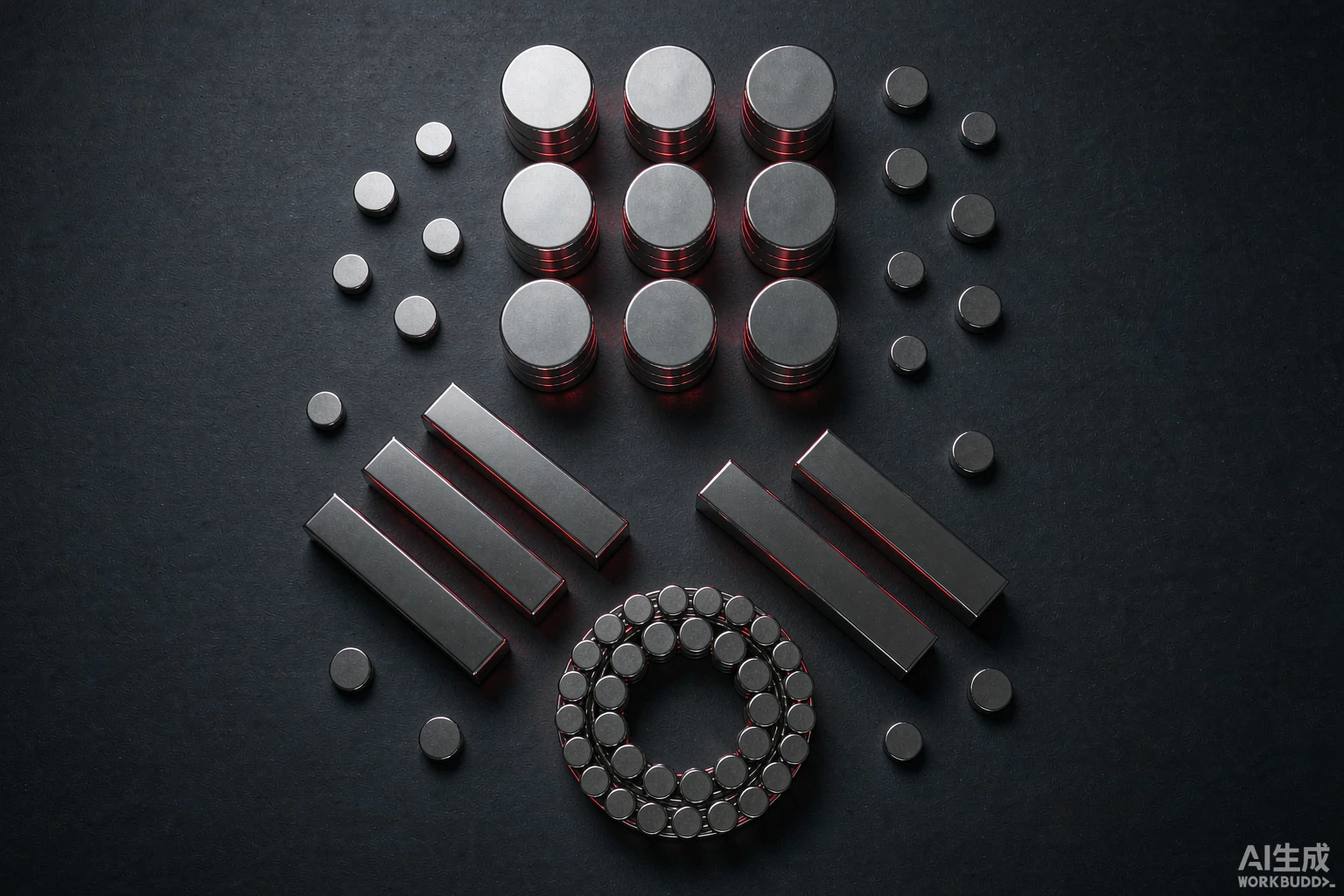


Precision magnet array for rotor assembly
Motor rotor systems

Rotor assemblies.
Magnets, shaft, retention — balanced.

Surface-mounted, interior permanent magnet, bonded and spoke-type rotor assemblies. Magnetically oriented, dynamically balanced, sleeve-retained, ready for motor integration. Flux mapped against your air-gap target.

Rotor architectures

Four architectures, one engineering interface.

  • Surface-Mounted (SPM)

    Magnet arcs bonded to the rotor surface with sleeve or band retention. High air-gap flux density, common in servo motors and high-speed applications.

  • Interior Permanent Magnet (IPM)

    Magnets embedded inside the rotor lamination. Improved saliency for reluctance torque, robust for high-speed operation, common in EV traction.

  • Bonded Rotor

    Compression-bonded or injection-molded magnet rings on a steel hub. Lower cost, complex shapes, lower flux density than sintered.

  • Spoke / V-Type

    Concentrated flux architecture. Very high air-gap flux density, used in high-torque-density applications.

Product geometry

Rotor builds we ship.

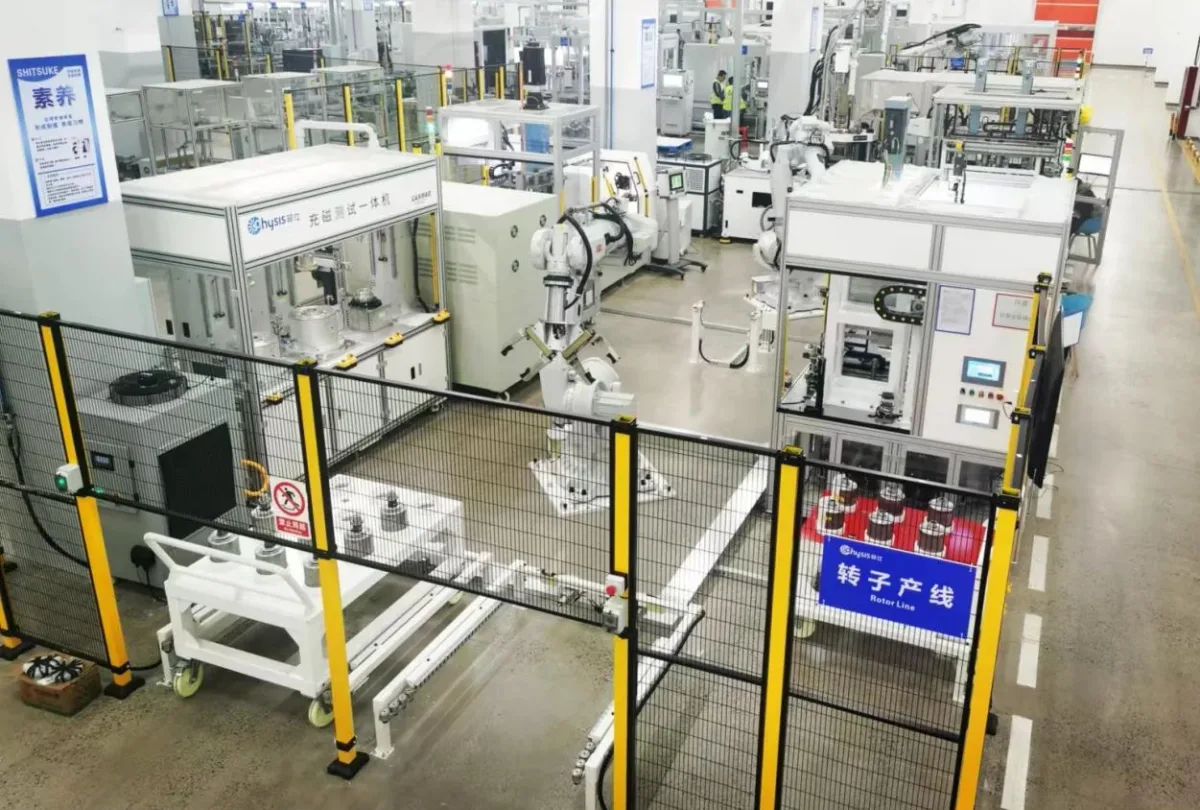
Representative rotor assemblies showing retention method, magnet layout and shaft interface.

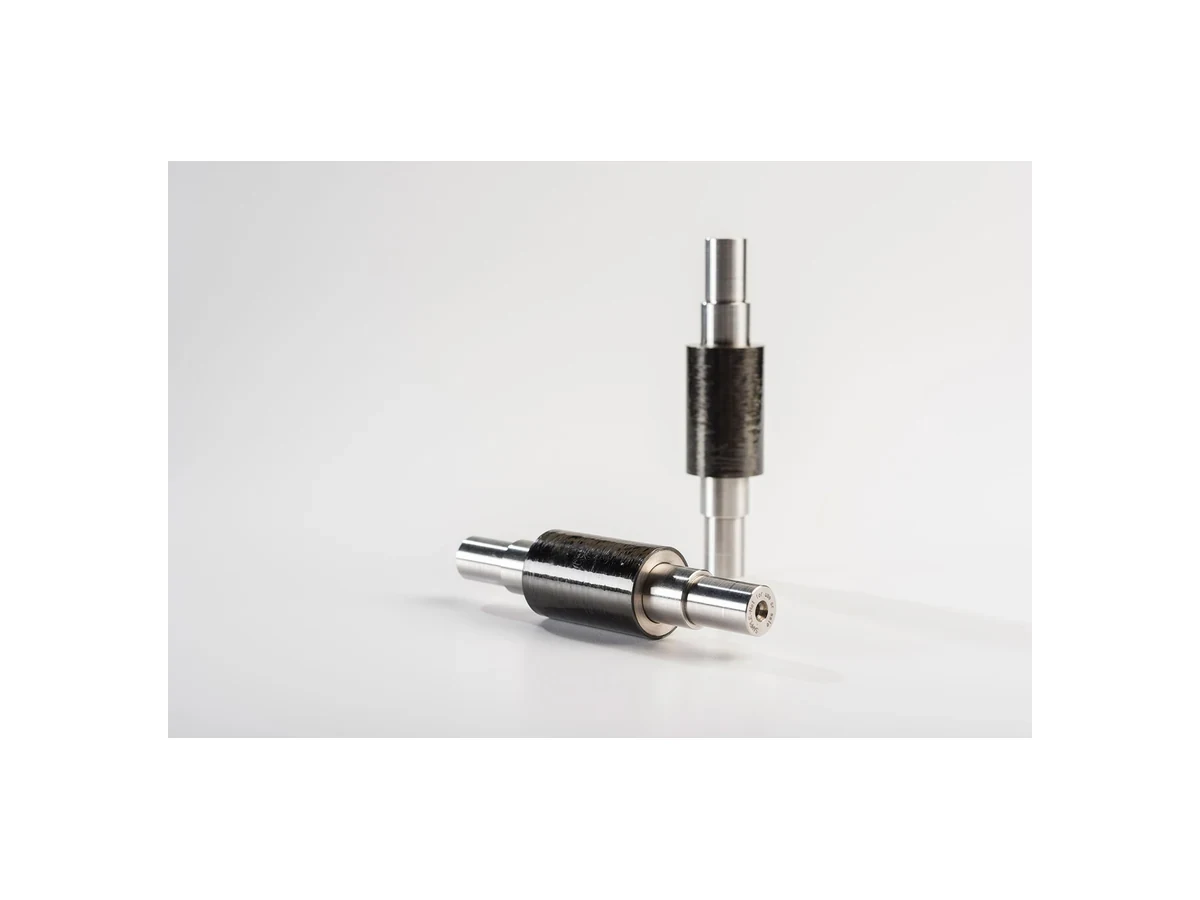
  • Carbon-fibre sleeved high-speed rotor assembly
    01

    High-speed rotor

    Carbon-fibre sleeved for high rotational speed

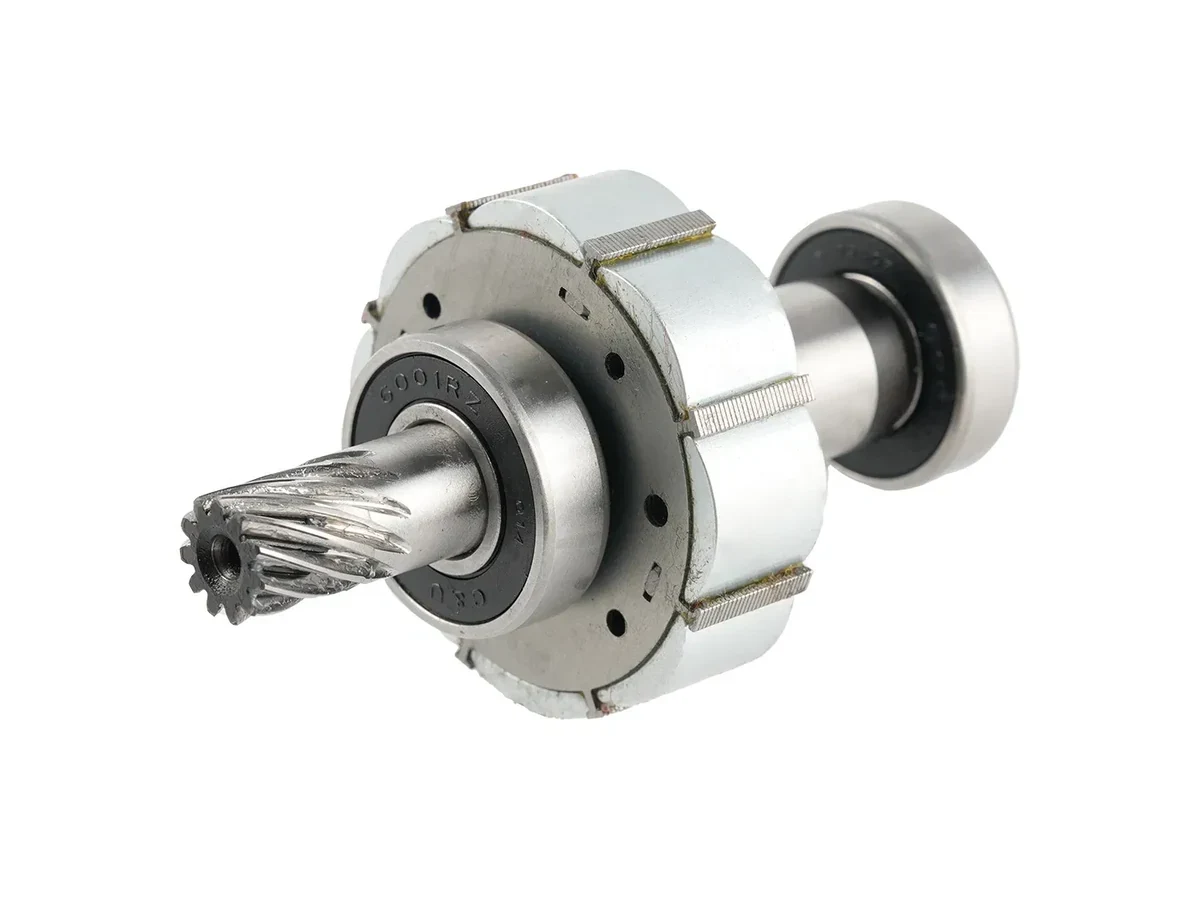
  • Segmented magnet rotor assembled on a shaft
    02

    Segmented rotor

    Segmented magnets assembled onto a shaft

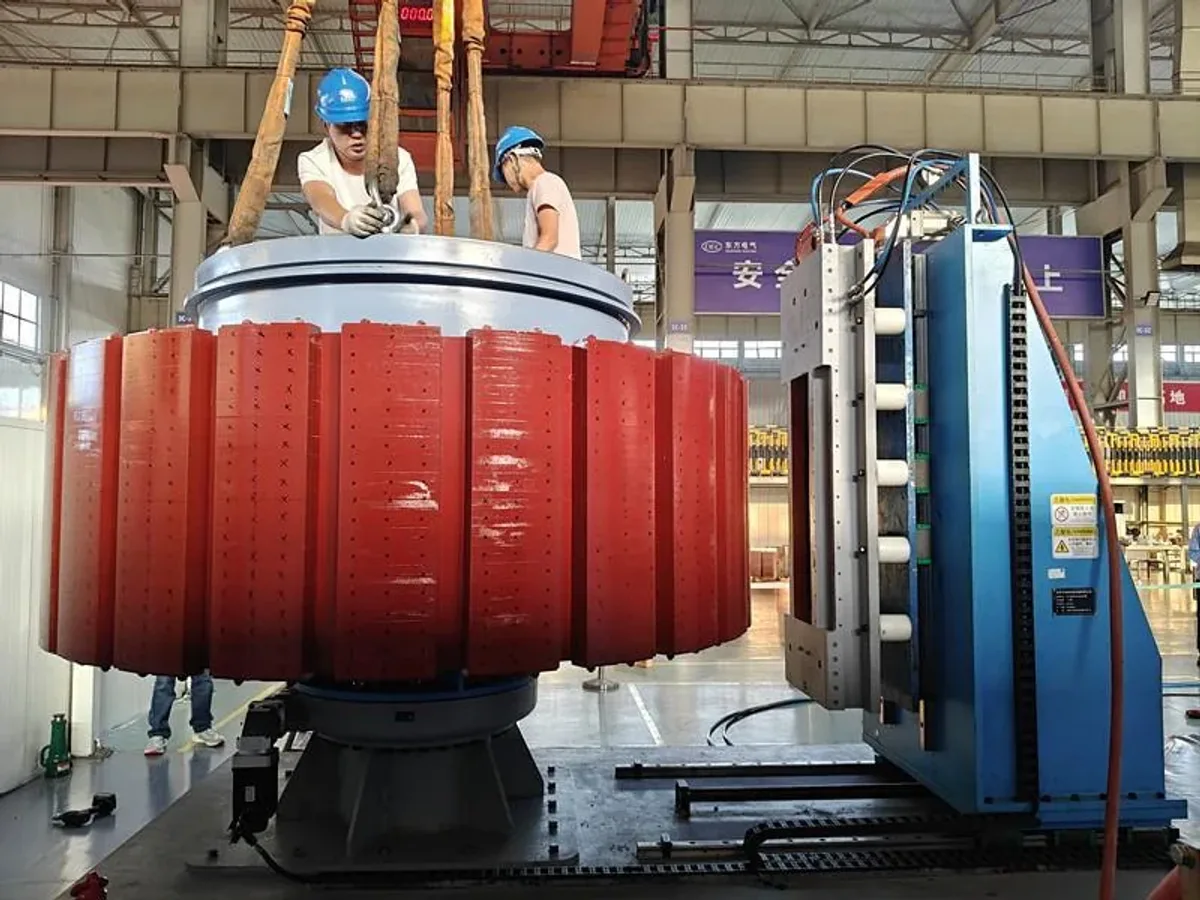
  • Bonded magnet ring rotor on a steel hub
    03

    Bonded rotor

    Bonded magnet ring carried on a steel hub

Capabilities

What we hold.

  • Rotor OD range 30–500mm
  • Magnet to shaft concentricity ≤ 0.05mm
  • Dynamic balance grade G2.5 @ 3000 rpm (ISO 1940)
  • Sleeve material Carbon fiber, Inconel, stainless
  • Operating speed Up to 30,000 rpm
  • Shaft material 4140 / 4340 / SS 17-4PH
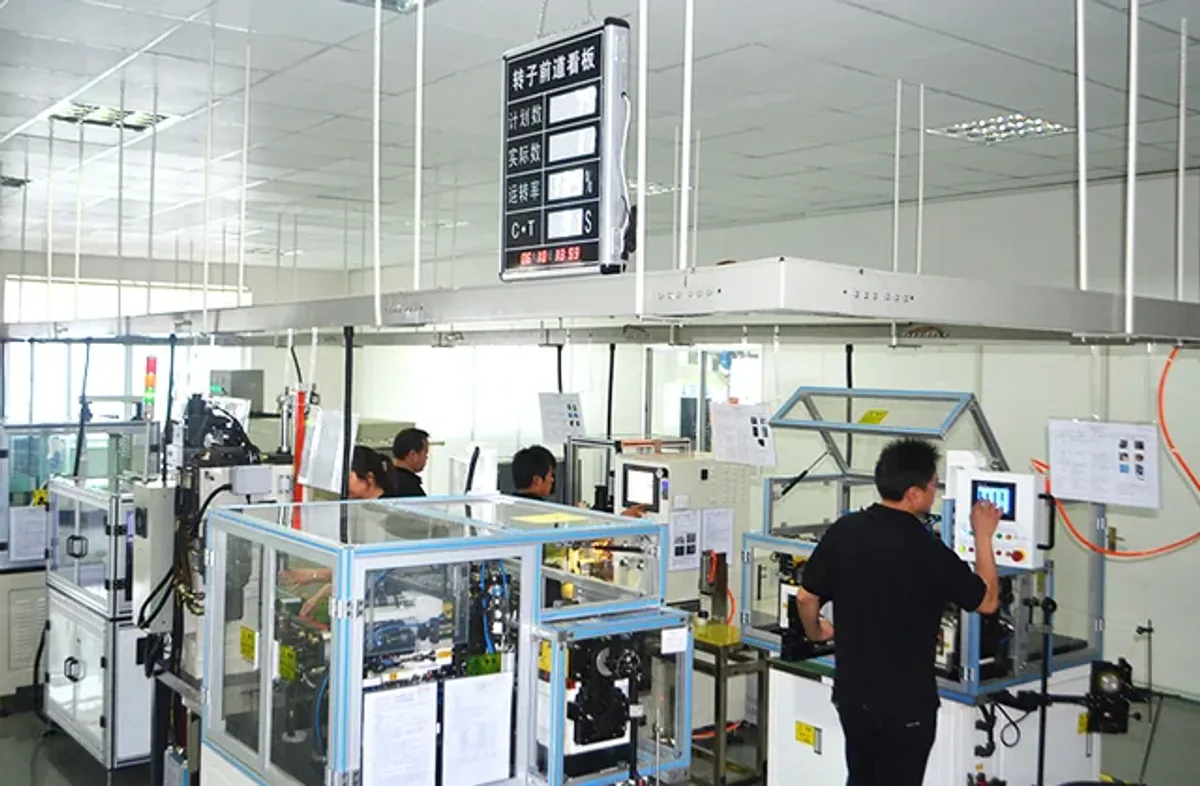
Engineer performing flux mapping on rotor assembly
Validation

Flux mapping against your target.

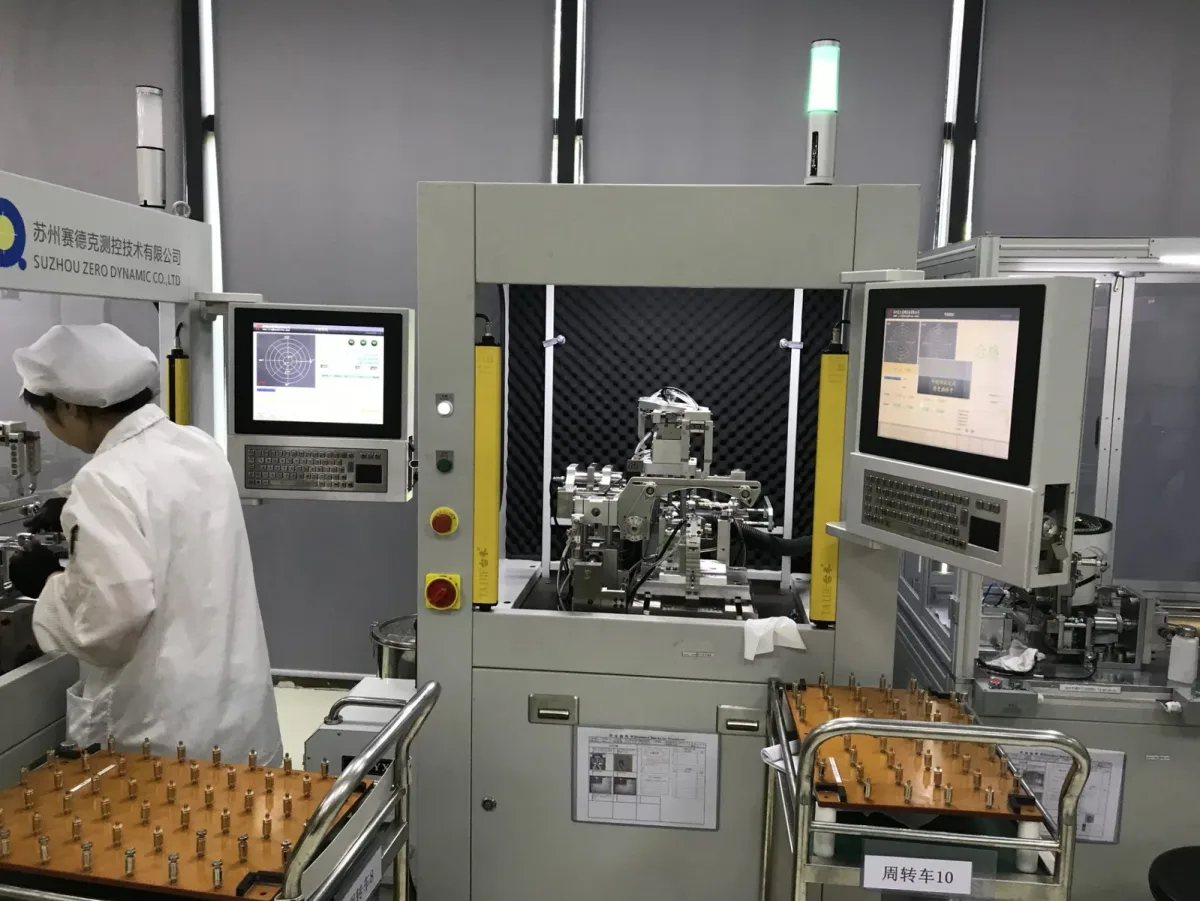
Every rotor is flux-mapped using a Hall-sensor array to verify air-gap flux density and harmonic content. Dynamic balance and concentricity data are signed off against your drawing before shipment.

  • Hall-sensor air-gap flux density mapping
  • Back-EMF waveform verification (sample units)
  • Dynamic balance report at operating speed
  • Dimensional and runout report on critical features
Specification guide

Choose a rotor assembly with the application in view.

A rotor is a dynamic system, not a collection of magnet parts. Magnet grade, air gap, retention, shaft interface, balance and thermal growth must be designed as one release package.

A good fit when

The material earns its place.

  • Programs that need a ready-to-integrate rotor rather than loose magnets
  • Servo, traction, generator and high-speed motor architectures
  • Projects requiring matched magnets, controlled orientation and documented balance
  • OEM teams that want one interface for magnet, mechanical and validation engineering

Check before release

Resolve these trade-offs early.

  • High-speed retention must be validated at overspeed and operating temperature
  • Magnet-to-shaft concentricity, runout and balance interact with the motor's vibration budget
  • Adhesive cure, sleeve interference and thermal expansion can shift the magnetic or mechanical working point
  • Rotor handling, magnetized shipping and safety controls must be agreed before logistics planning
RFQ preparation

Give engineering the information that changes the answer.

A drawing alone may not define the magnetic requirement. These inputs help us recommend the right grade, geometry, coating and inspection plan instead of quoting a generic part.

01

Motor duty

Share speed, torque, power, duty cycle, temperature at the rotor and the electrical operating point. Include overspeed and fault cases.

02

Mechanical interface

Provide shaft datum, bearing arrangement, rotor OD, stack length, runout, fit, key or spline details and assembly sequence.

03

Magnetic target

Provide pole count, magnetizing direction, air gap, flux or back-EMF target, harmonic limits and grade preference if known.

04

Retention concept

State sleeve, band, adhesive, pocket, bridge or overmold concept, plus burst-speed, shock, balance and service-life requirements.

Acceptance planning

Define the evidence before the first production order.

Inspection scope should follow the failure mode. We can align the report format, sample quantity and release criteria during drawing review.

01

Dynamic balance

Define balance grade, correction plane, speed, fixture and residual unbalance limits. Report the condition of the final assembly.

02

Overspeed and retention

Validate the agreed overspeed and thermal condition, with inspection for movement, cracks, adhesive failure or sleeve damage.

03

Flux and waveform

Map air-gap flux and, where applicable, verify back-EMF waveform, pole position and harmonic content against the motor target.

04

Runout and concentricity

Measure critical diameters, shaft runout, magnet-to-shaft concentricity and bearing datum relationships on the released assembly.

Buyer questions

The short version before you send a drawing.

Can you supply the complete rotor, not only magnets?

The assembly scope can include magnets, shaft, hub, sleeve or band, adhesive, balancing and agreed validation. The exact make-or-buy boundary should be defined from the drawing and motor interface.

What is the most important rotor input?

The most useful starting package combines motor duty, rotor geometry, air gap, speed and temperature with the magnetic target and retention concept.

Do you provide balance and flux reports?

Balance, dimensional, flux and waveform reports can be aligned to the program's acceptance plan. The required fixture, sample quantity and limits should be agreed before production.

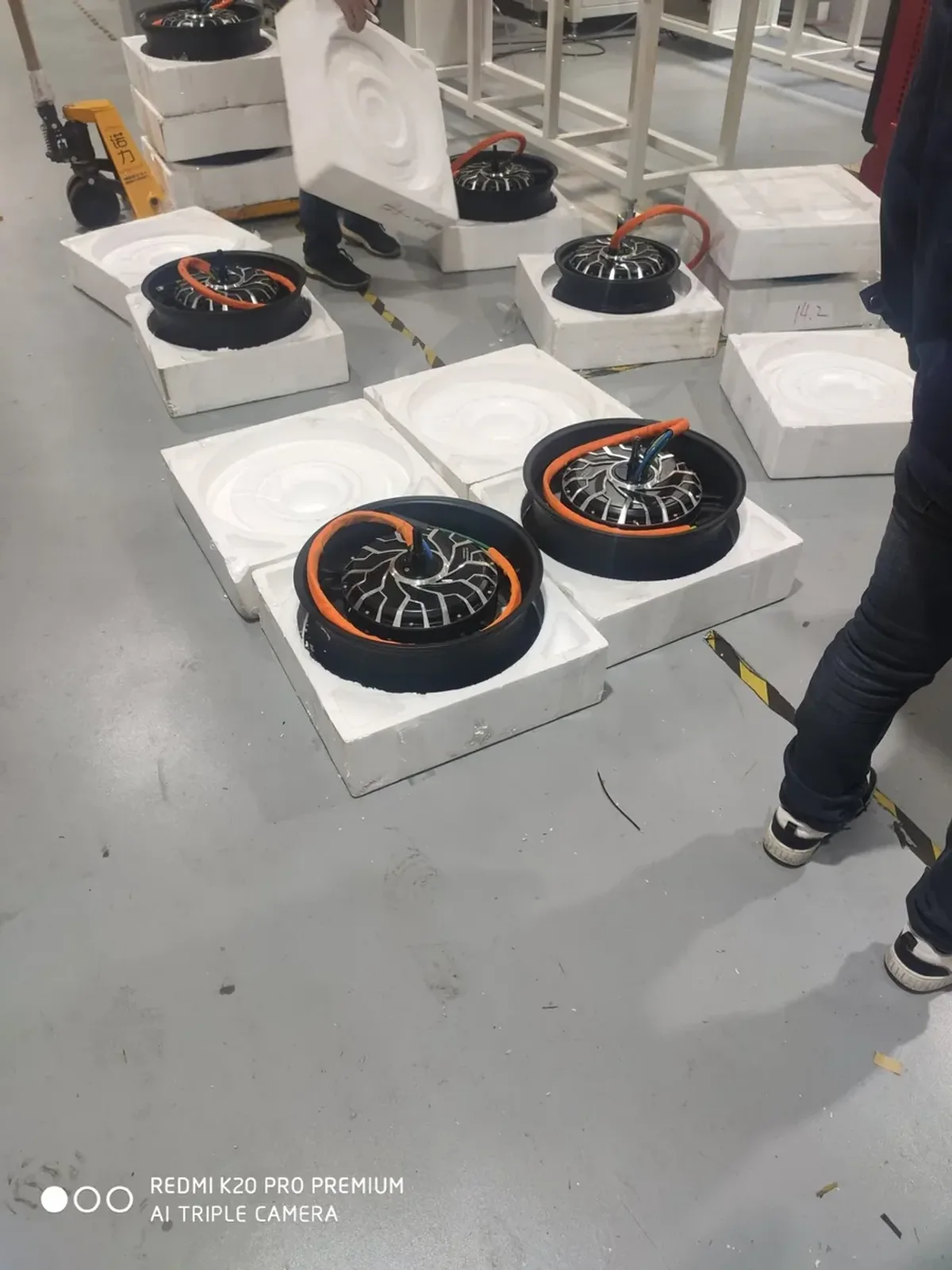
Global magnet shipment preparation
Start a project

Send the drawing. Tell us
what the magnet has to do.

Our engineering team can review material, operating conditions, magnetic requirements, manufacturing route and validation needs before quotation.

RFQ channel rfq@china-empire.com
General service services@china-empire.com
Engineering review Drawings and requirements welcome