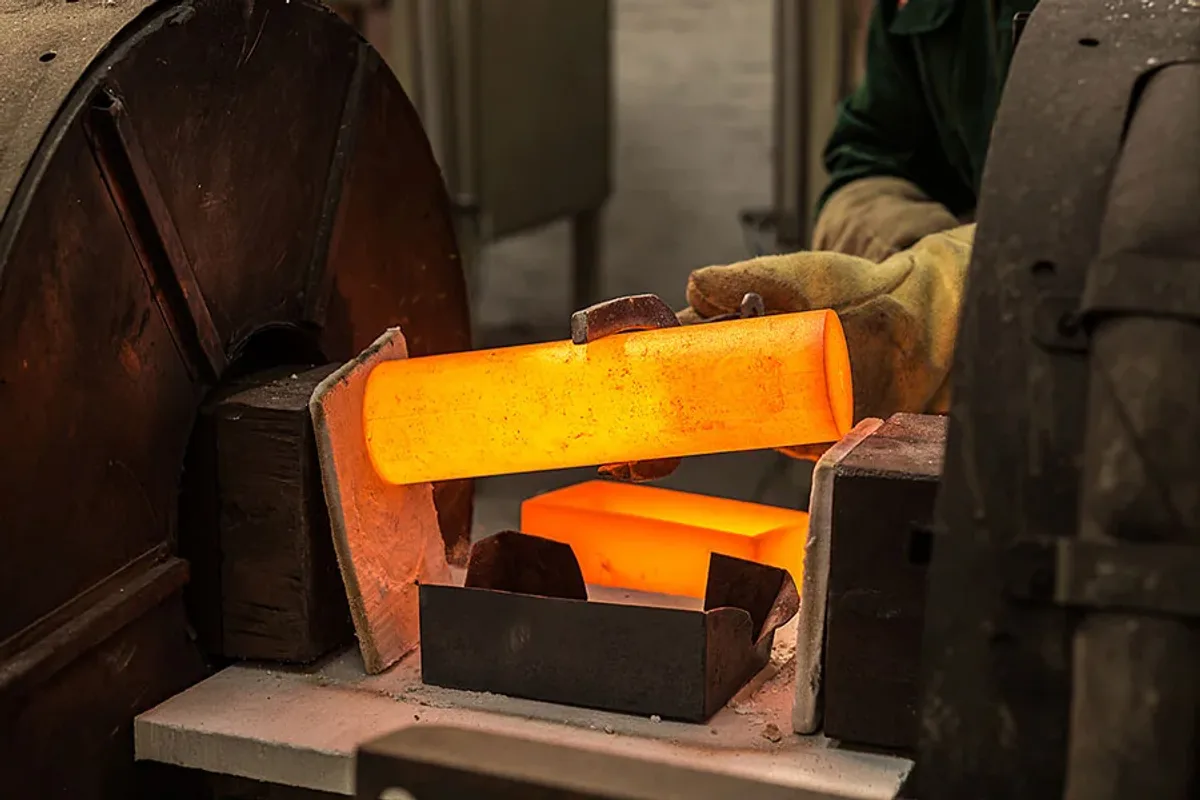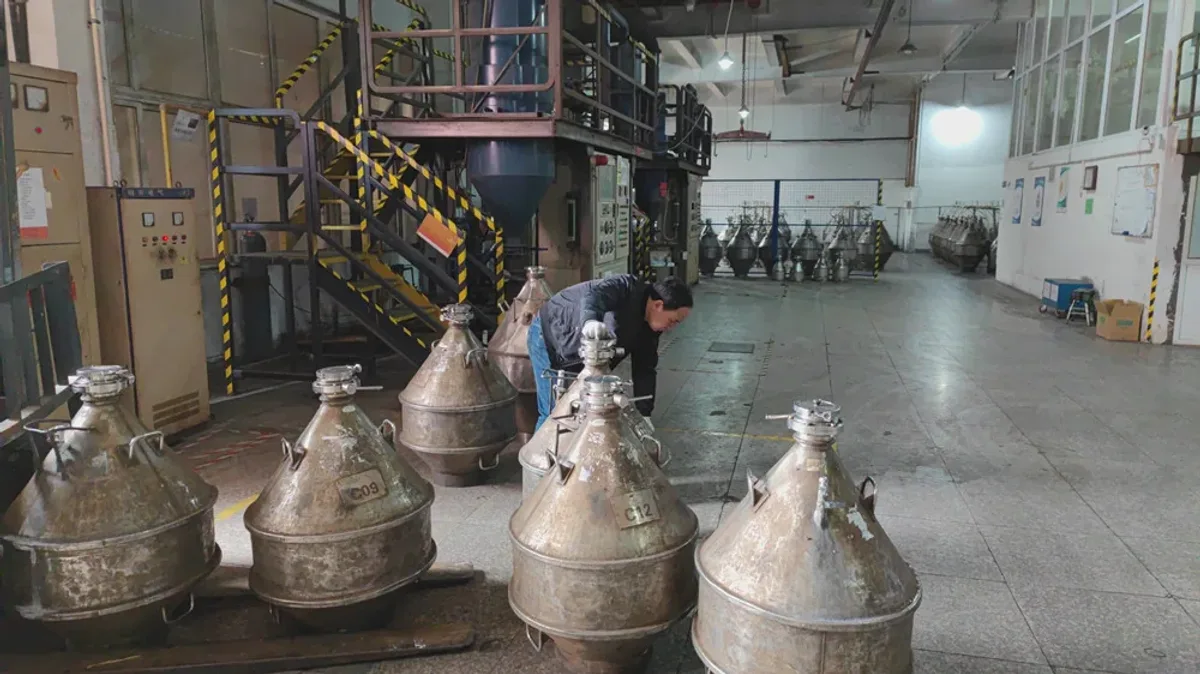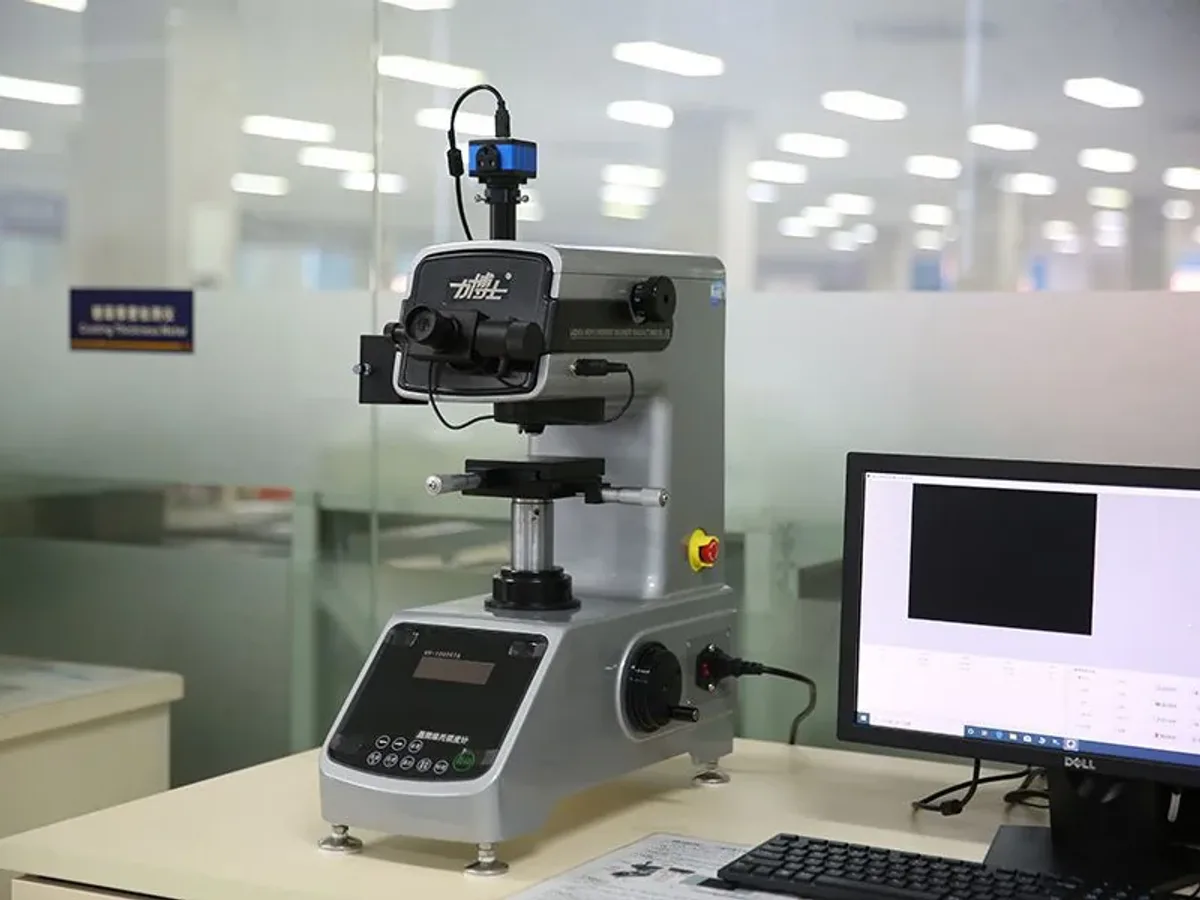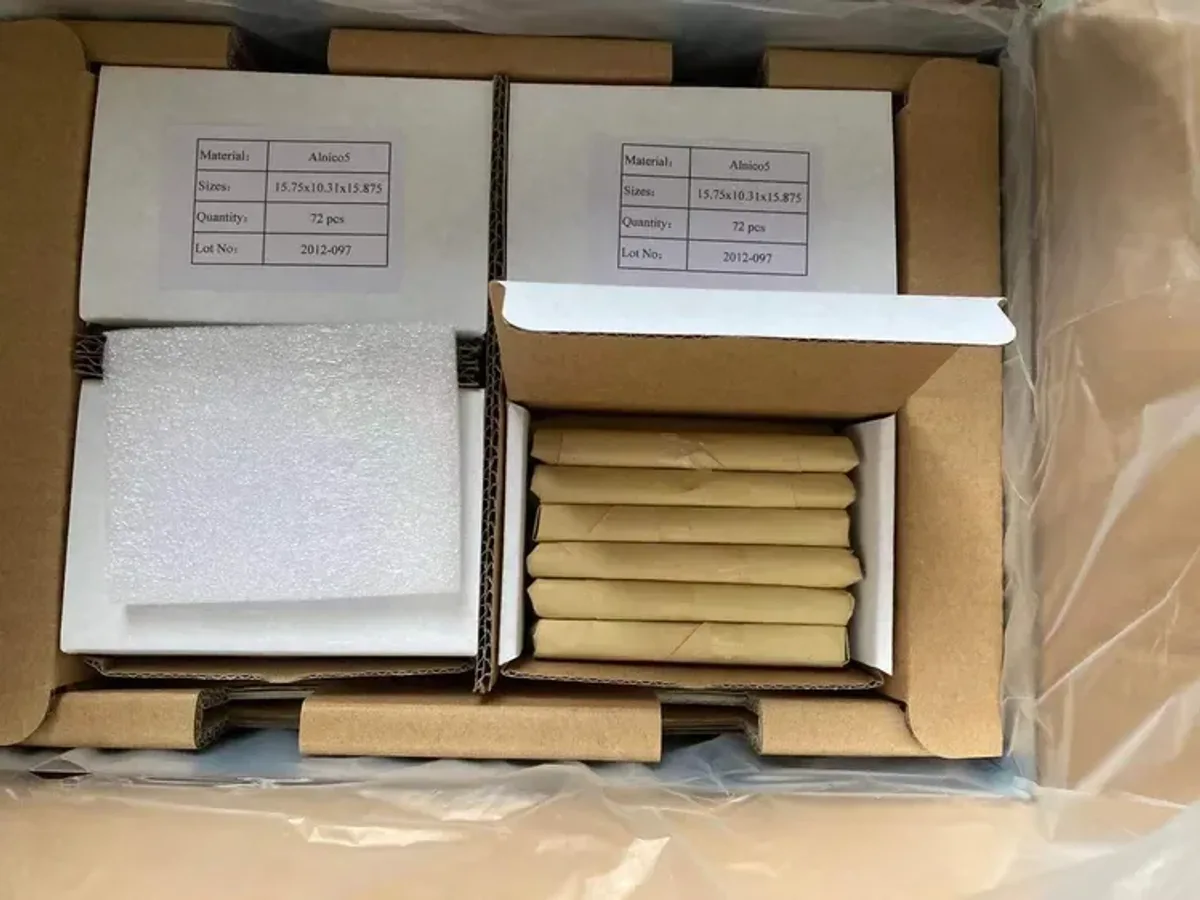
Engineered magnetic material production
Cast / sintered alloy

AlNiCo magnets.
Stable to 550°C.

AlNiCo (aluminum-nickel-cobalt) magnets in cast and sintered forms. The most temperature-stable permanent magnet material available, with reversible temperature coefficient as low as −0.02%/°C. Specified for sensors, instrumentation, aerospace and high-temperature applications.

Why AlNiCo

Three reasons to specify AlNiCo.

  • 01

    Extreme temperature stability

    Operates continuously at 525–550°C — well above any rare-earth or ferrite material.

  • 02

    Excellent flux stability over temperature

    Reversible temperature coefficient as low as −0.02%/°C — flux holds across wide temperature ranges.

  • 03

    Cast or sintered options

    Cast AlNiCo for complex shapes, sintered AlNiCo for tight tolerances and small parts.

Applications

Where AlNiCo is specified.

  • Industrial sensors and gauges

  • Aerospace instrumentation

  • Guitar pickups and audio

  • Holding magnets and chucks

  • Military and defense systems

  • High-temperature motors

Product geometry

Geometry supplied in AlNiCo.

Cast and sintered forms for instrumentation, sensors and high-temperature duty.

  • Cast AlNiCo magnets in complex shapes
    01

    Cast shapes

    Complex geometry produced by the cast route

  • Sintered AlNiCo magnet components
    02

    Sintered parts

    Small parts with tighter dimensional control

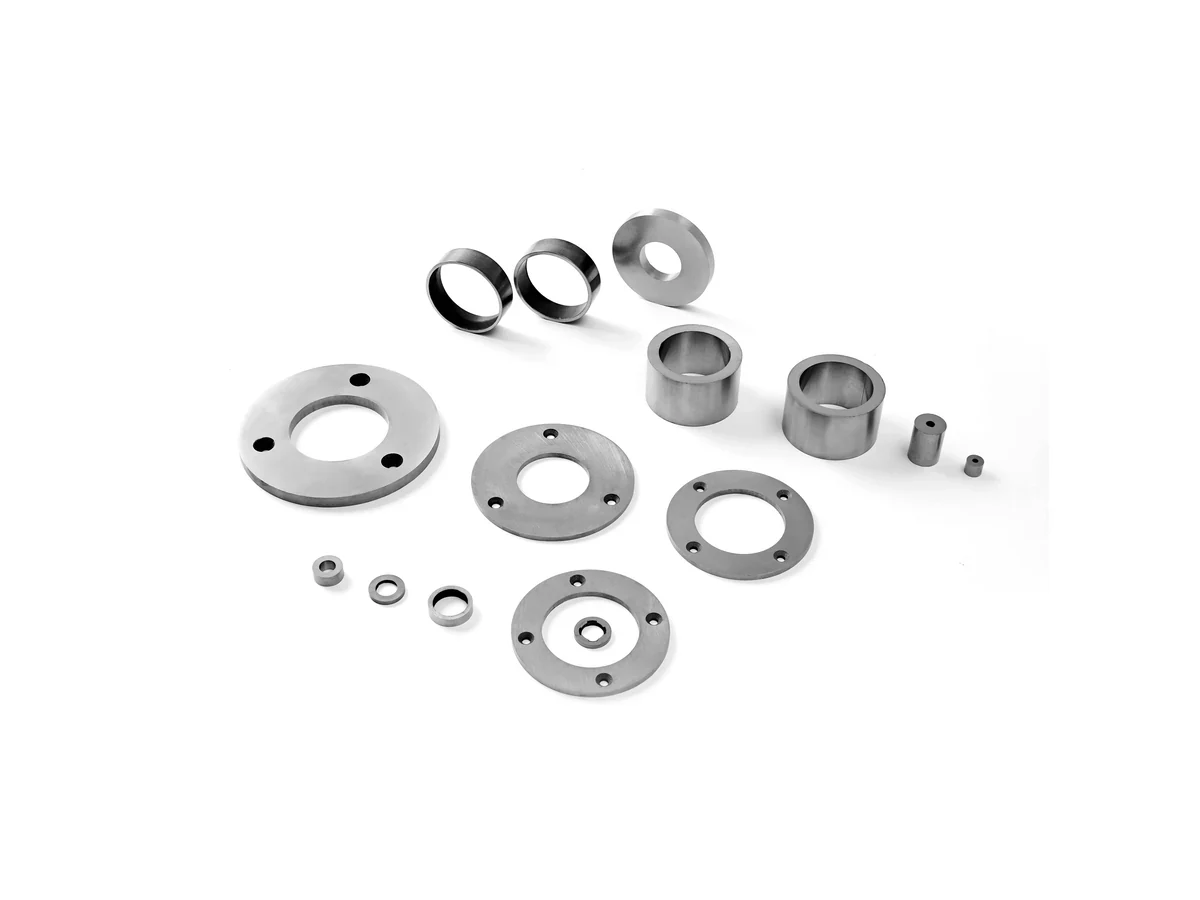
  • AlNiCo ring magnets for instrumentation
    03

    Rings

    Ring geometry for instrumentation

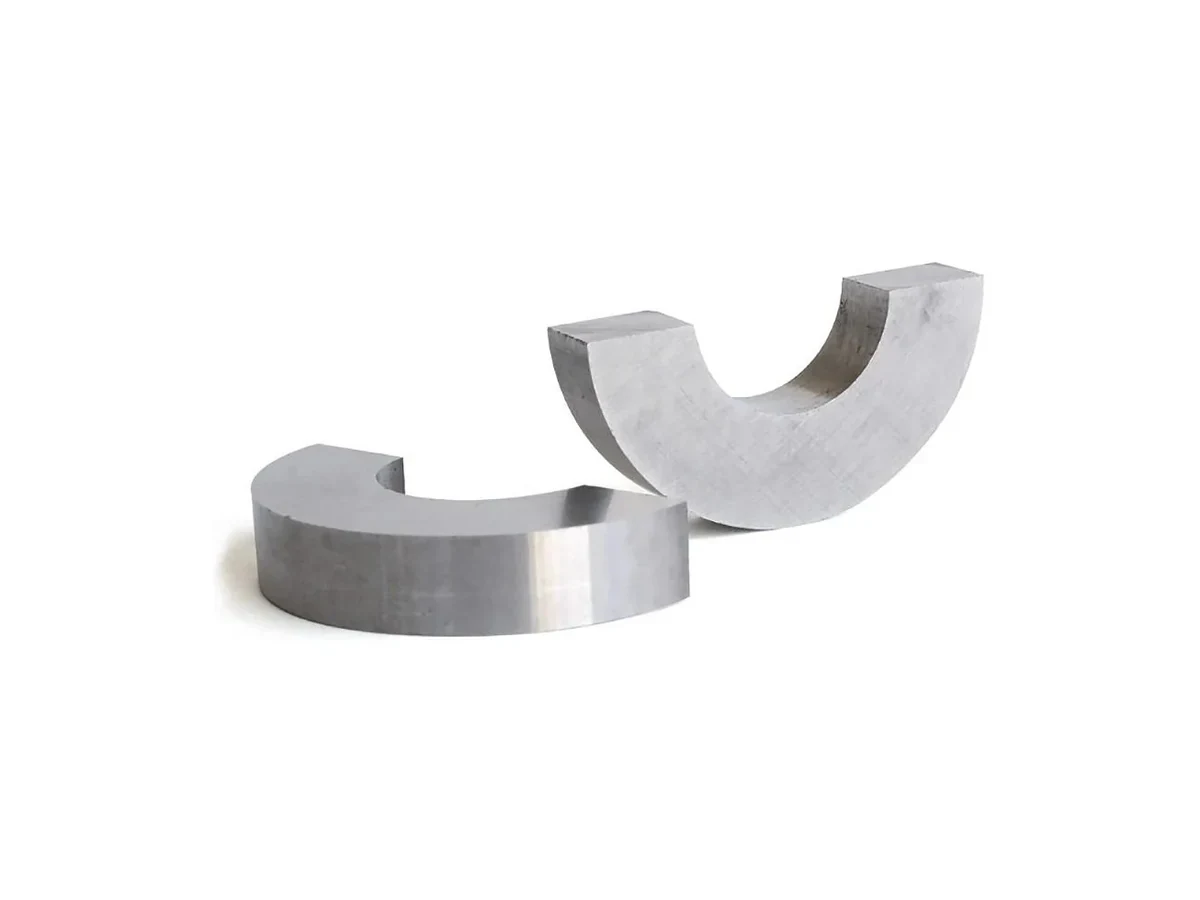
  • AlNiCo segment magnets
    04

    Segments

    Segment geometry for legacy magnetic circuits

Technical reference

AlNiCo data, kept intact.

The tables below preserve the legacy empiremagnets.com product information and reference values. Use them for first-pass selection; final acceptance values remain project-specific.

01

Application & grade guidance

5 reference rows Technical datasheet
ApplicationTypical SpecWhy this material
Precision instrumentsAlnico 2 / 5Very low flux drift over temperature
Watt-hour metersAlnico 5Long-term stable reference field
Reed switch actuationAlnico 3 / 5Stable actuation across temperature
Radar / TWT / instrumentsAlnico 8 / 9High-temperature stability
Educational / scientificAlnico 2Classic rods / horseshoe forms
02

Cast vs sintered AlNiCo

2 reference rows Technical datasheet
RouteStrengthTolerance / shape logicTypical use
CastHigher energy and complex castable formsLarger geometry; grinding on functional surfacesHorseshoes, meters, sensors, instruments
SinteredFine grain and repeatability for small partsSmaller precision componentsMiniature sensors, magnetic circuits, instruments
03

Complete technical grade data

12 reference rows Technical datasheet
Grade / RouteBrHcHci(BH)maxMax Operating Temp* PDF
Alnico 2 (Sintered)7.0 kG / 0.70 T500 Oe / 40 kA/m≥540 Oe / 43 kA/m1.5 MGOe / 12 kJ/m³450°C Datasheet
Alnico 5 (Sintered)11.0 / 1.10600 / 48≥600 / 484.25 / 34450°C Datasheet
Alnico 8 (Sintered)8.8 / 0.881530 / 121≥1600 / 1275.25 / 42450°C Datasheet
Alnico 5 (Cast)12.2 / 1.22600 / 48630 / 505.0 / 40500°C Datasheet
Alnico 5B (Cast)12.2 / 1.22650 / 52660 / 535.5 / 44500°C Datasheet
Alnico 5DG (Cast)12.5 / 1.25690 / 55700 / 566.5 / 52500°C Datasheet
Alnico 5-7 (Cast)13.0 / 1.30700 / 56740 / 597.5 / 60525°C Datasheet
Alnico 8-HC (Cast)7.0 / 0.701750 / 1391750 / 1394.5 / 36525°C Datasheet
Alnico 8 (Cast)8.2 / 0.821500 / 1191600 / 1275.0 / 40525°C Datasheet
Alnico 8B (Cast)8.8 / 0.881500 / 1191650 / 1315.5 / 44525°C Datasheet
Alnico 8C (Cast)9.0 / 0.901380 / 1101440 / 1157.5 / 60525°C Datasheet
Alnico 9 (Cast)10.5 / 1.051410 / 1121440 / 1399.0 / 72525°C Datasheet
04

Physical properties

6 reference rows Technical datasheet
PropertySinteredCast
Vickers hardness~440440–620
Density6.8–7.0 g/cm³6.9–7.3 g/cm³
Curie temperature810–860°C740–860°C
Specific resistance50–70 μΩ·cm45–75 μΩ·cm
Thermal expansion11.0–12.4 ×10⁻⁶/°C11.0–13.0 ×10⁻⁶/°C
Reversible temperature coefficient Br≈ −0.02 to −0.03%/°C≈ −0.02 to −0.03%/°C
05

Geometry & tolerances

4 reference rows Technical datasheet
RouteTypical ToleranceNotes
As-cast±0.3–0.5 mmEconomical near-net shape
Ground±0.05 mmPole and mounting faces
Sintered±0.05 mmSmall precision parts
MachiningGrinding-focusedHard/brittle alloy; functional surfaces are normally ground

Reference values are reproduced from the legacy product pages. Confirm grade, test method, tolerance, coating, temperature class and inspection criteria against the released drawing and purchase specification.

Specification guide

Choose AlNiCo with the application in view.

AlNiCo earns consideration when temperature stability, low reversible temperature coefficient and long service life outweigh its relatively low coercivity and larger magnetic-circuit requirement.

A good fit when

The material earns its place.

  • High-temperature sensors, gauges and instrumentation
  • Applications needing stable flux across a wide temperature range
  • Cast geometries or sintered small parts that suit the mechanical design
  • Legacy or specialized systems where temperature behavior is more important than compactness
Check before release

Resolve these trade-offs early.

  • AlNiCo has lower coercivity than most rare-earth grades and needs a load-line review
  • The material can be vulnerable to demagnetization from opposing fields or poor magnetic-circuit design
  • Cast and sintered routes have different geometry, tolerance and surface-finish implications
  • Mechanical retention and pole orientation should be designed without relying on the magnet as a structural part
RFQ preparation

Give engineering the information that changes the answer.

A drawing alone may not define the magnetic requirement. These inputs help us recommend the right grade, geometry, coating and inspection plan instead of quoting a generic part.

01

Temperature map

Give the magnet temperature range, gradients, cycling rate and the allowable change in flux or sensitivity.

02

Demagnetizing field

Provide opposing field, nearby steel, armature position and the worst-case open-circuit or fault condition.

03

Manufacturing route

State whether the part is cast or sintered, along with geometry, machining allowance, surface finish and appearance limits.

04

Calibration target

For sensors and instruments, define the output window, magnet-to-sensor distance, matching requirement and calibration method.

Acceptance planning

Define the evidence before the first production order.

Inspection scope should follow the failure mode. We can align the report format, sample quantity and release criteria during drawing review.

01

Flux-temperature behavior

Verify the magnetic output over the agreed temperature profile rather than accepting room-temperature data alone.

02

Demagnetization margin

Test the worst-case opposing field or assembly condition and record the retained performance after exposure.

03

Geometry and surface

Inspect cast or sintered features against the drawing, including machining datum, porosity or visual limits where applicable.

04

Calibration and matching

For matched sets, define the measurement fixture, temperature point, sorting band and traceability record.

Buyer questions

The short version before you send a drawing.

Why use AlNiCo instead of SmCo?

AlNiCo can be attractive when very stable temperature behavior, specific cast geometries or a legacy magnetic circuit are important. SmCo may be preferred when higher coercivity or a more compact design is needed.

Can AlNiCo be used near steel?

It can, but the complete magnetic circuit must be evaluated because AlNiCo has relatively low coercivity. Nearby steel and opposing fields can change the working point.

What is the difference between cast and sintered AlNiCo?

The manufacturing route affects achievable geometry, dimensional control, surface finish and cost. The suitable route should be selected against the drawing and volume.

Global magnet shipment preparation
Start a project

Send the drawing. Tell us
what the magnet has to do.

Our engineering team can review material, operating conditions, magnetic requirements, manufacturing route and validation needs before quotation.

RFQ channel rfq@china-empire.com
General service services@china-empire.com
Engineering review Drawings and requirements welcome