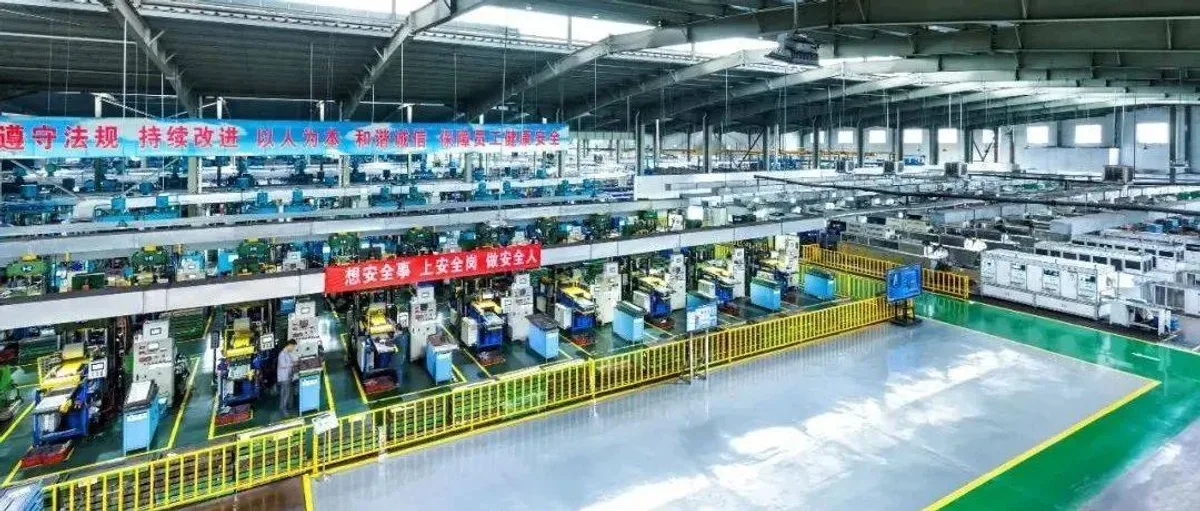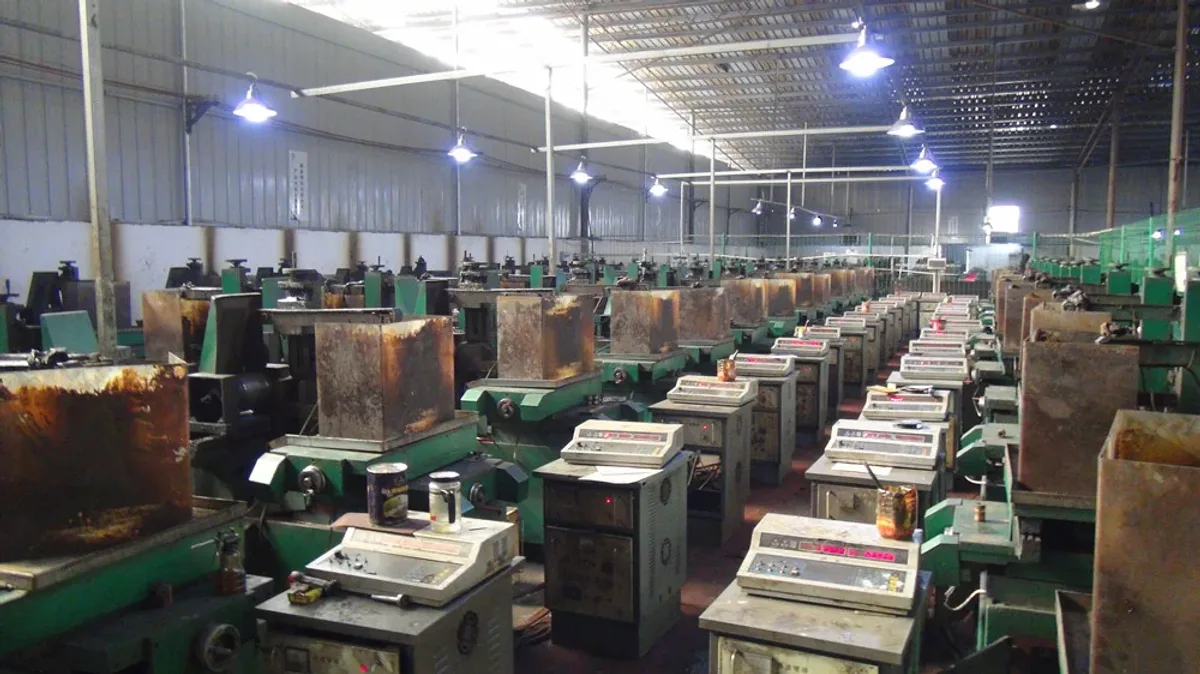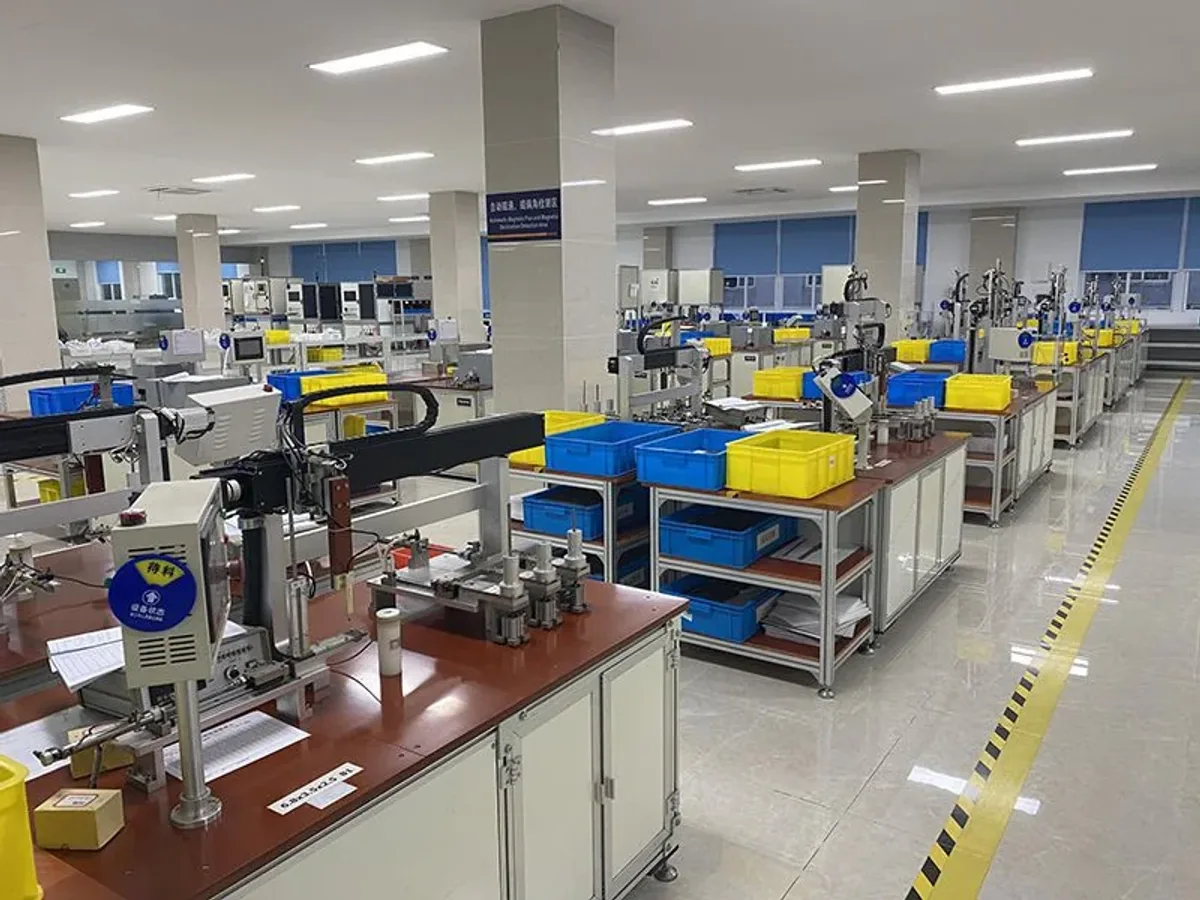
Engineered magnetic material production
Ceramic permanent magnet

Ferrite magnets.
The cost-efficient workhorse.

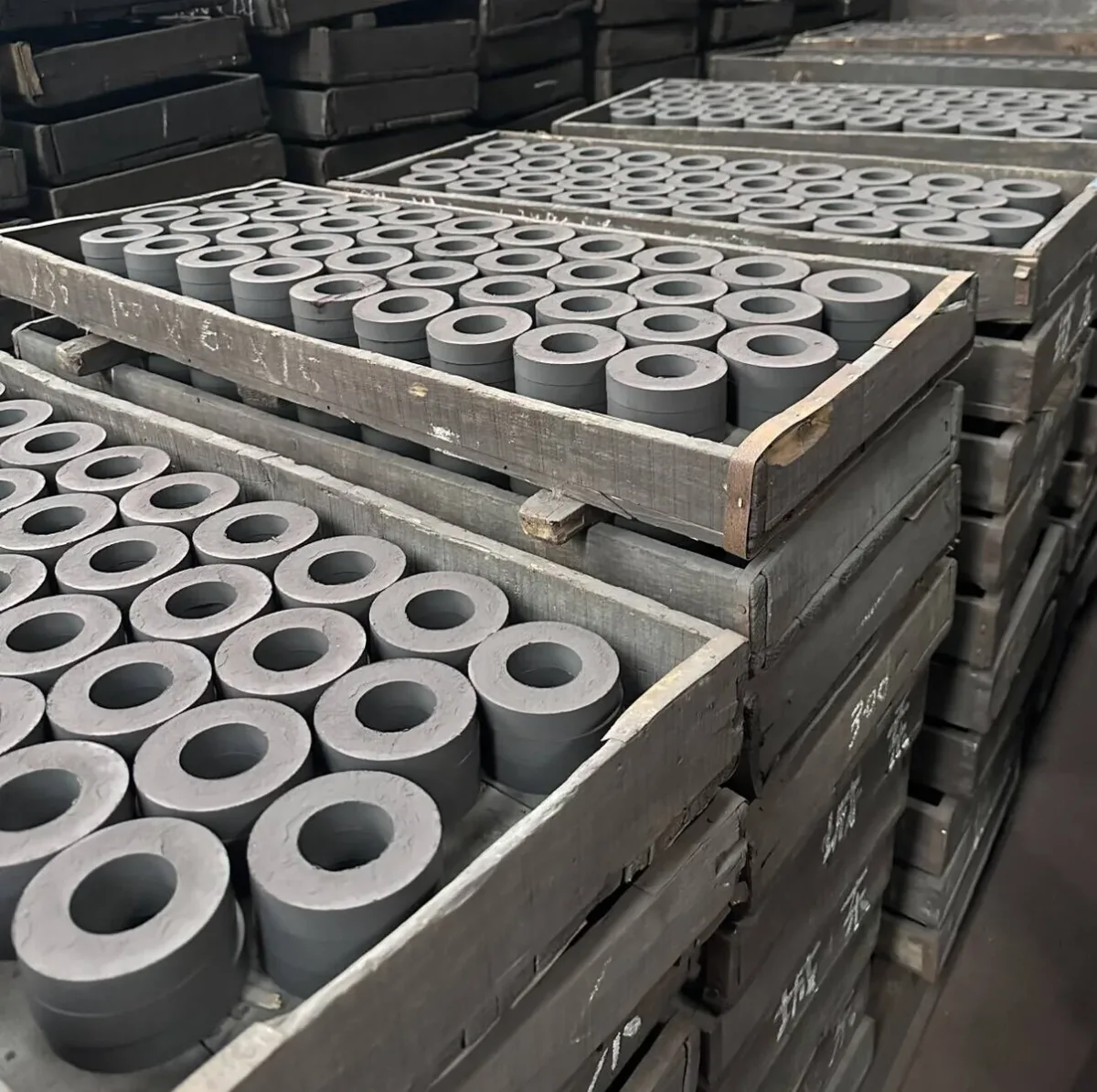
Sintered ferrite (strontium and barium) magnets — the lowest-cost permanent magnet. Arcs, rings and blocks for high-volume industrial motors, sensors and consumer applications. No coating required, immune to corrosion.

Why ferrite

Four reasons to specify ferrite.

  • 01

    Cost-efficient at scale

    Lowest unit cost of any permanent magnet — ideal for high-volume consumer and industrial applications.

  • 02

    Corrosion immune

    Ceramic material — no coating required, no oxidation, no risk of demagnetization from corrosion.

  • 03

    High temperature tolerance

    Operating temperatures up to 250°C, with very low reversible temperature coefficient.

  • 04

    Long service life

    No plated or coated surfaces to fail. Specified in motors, sensors and outdoor applications for decades.

Applications

Where ferrite is specified.

  • Industrial motors and pumps

  • Automotive sensors and wiper motors

  • Consumer speakers and microphones

  • Magnetic separators and chucks

  • Refrigerator and HVAC seals

  • Crafts, signage and displays

Product geometry

Geometry supplied in ferrite.

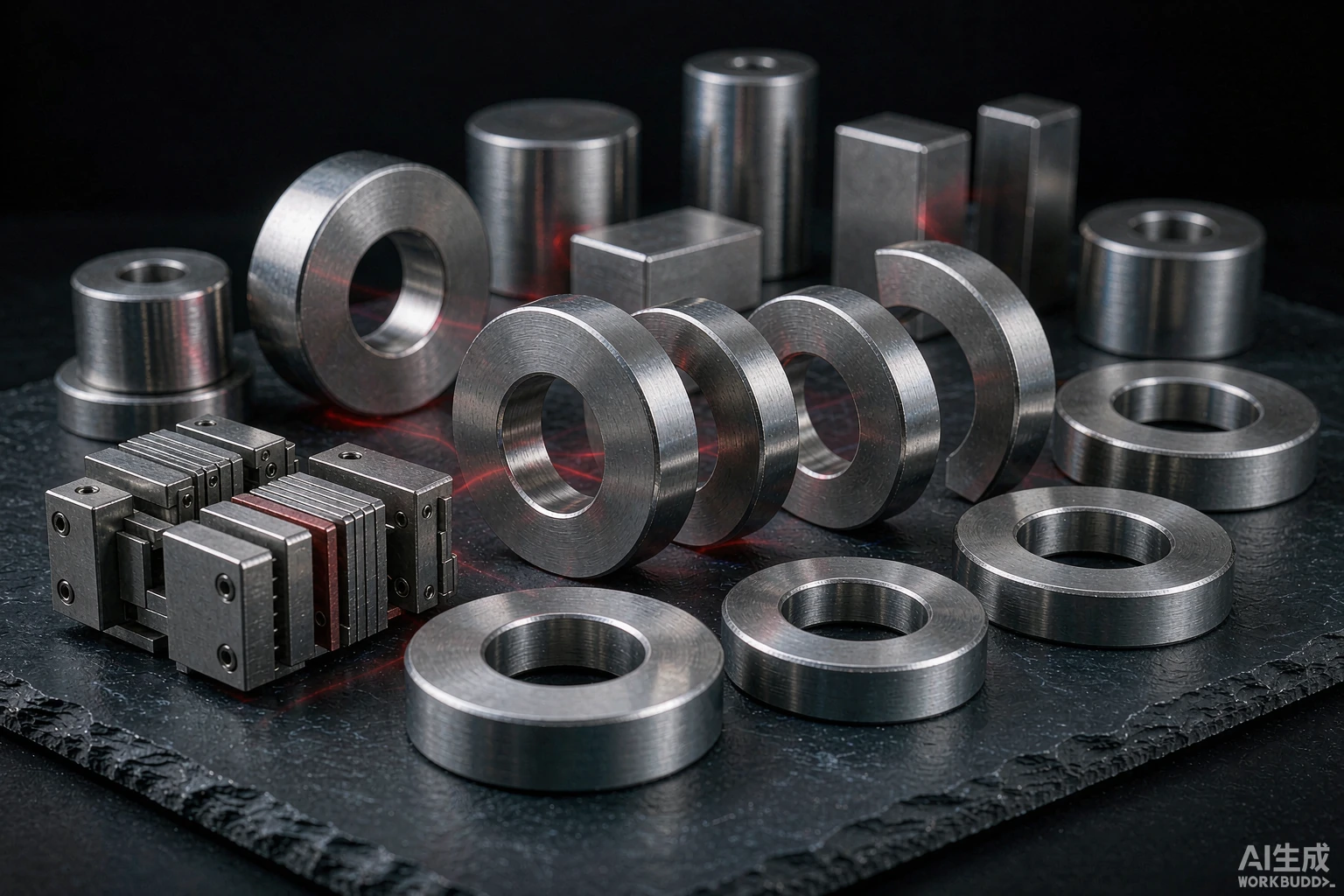
Arcs, rings and blocks for high-volume motor, sensor and separator designs.

  • Hard ferrite arc segments for motor magnetic circuits
    01

    Arcs

    Motor arc segments for high-volume designs

  • Hard ferrite ring magnets
    02

    Rings

    Ring geometry for speakers and sensors

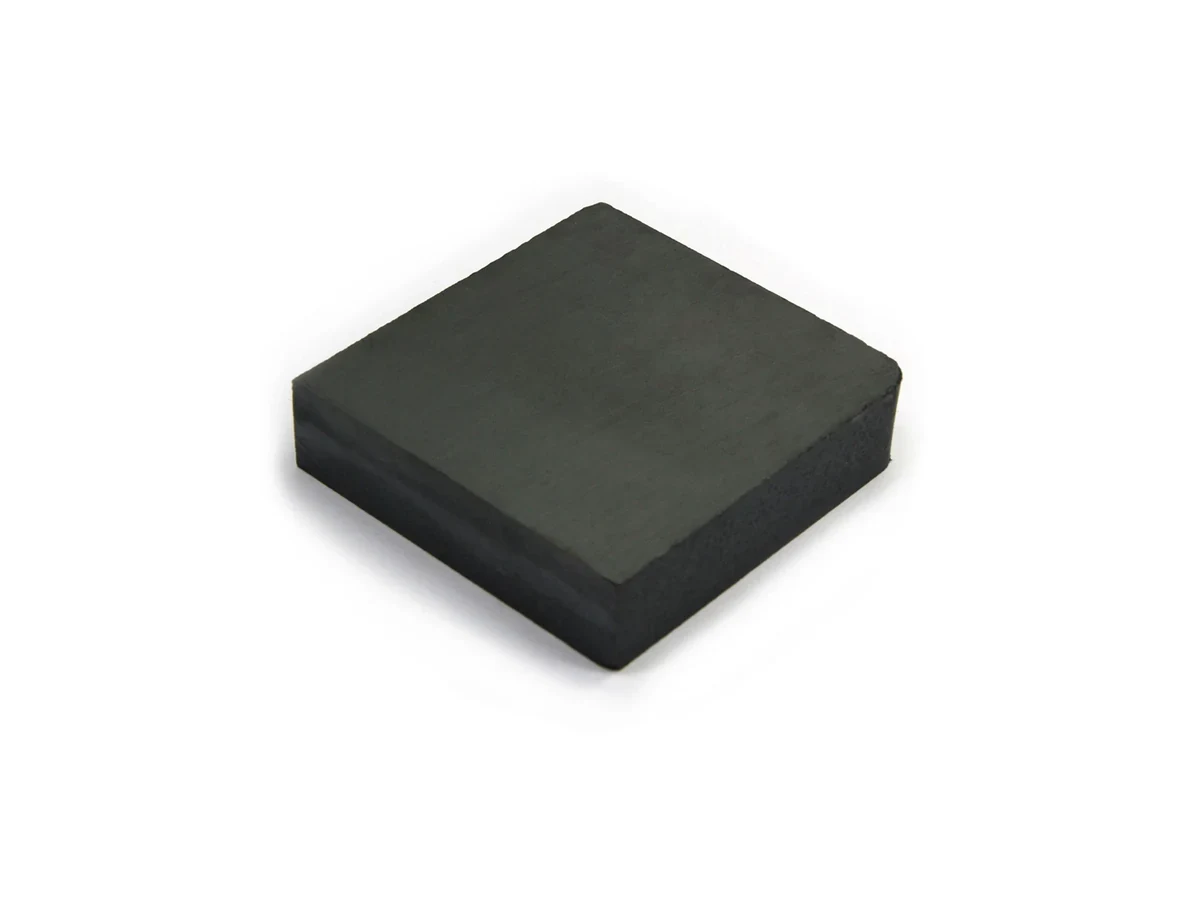
  • Hard ferrite block magnets
    03

    Blocks

    Block geometry for holders and separators

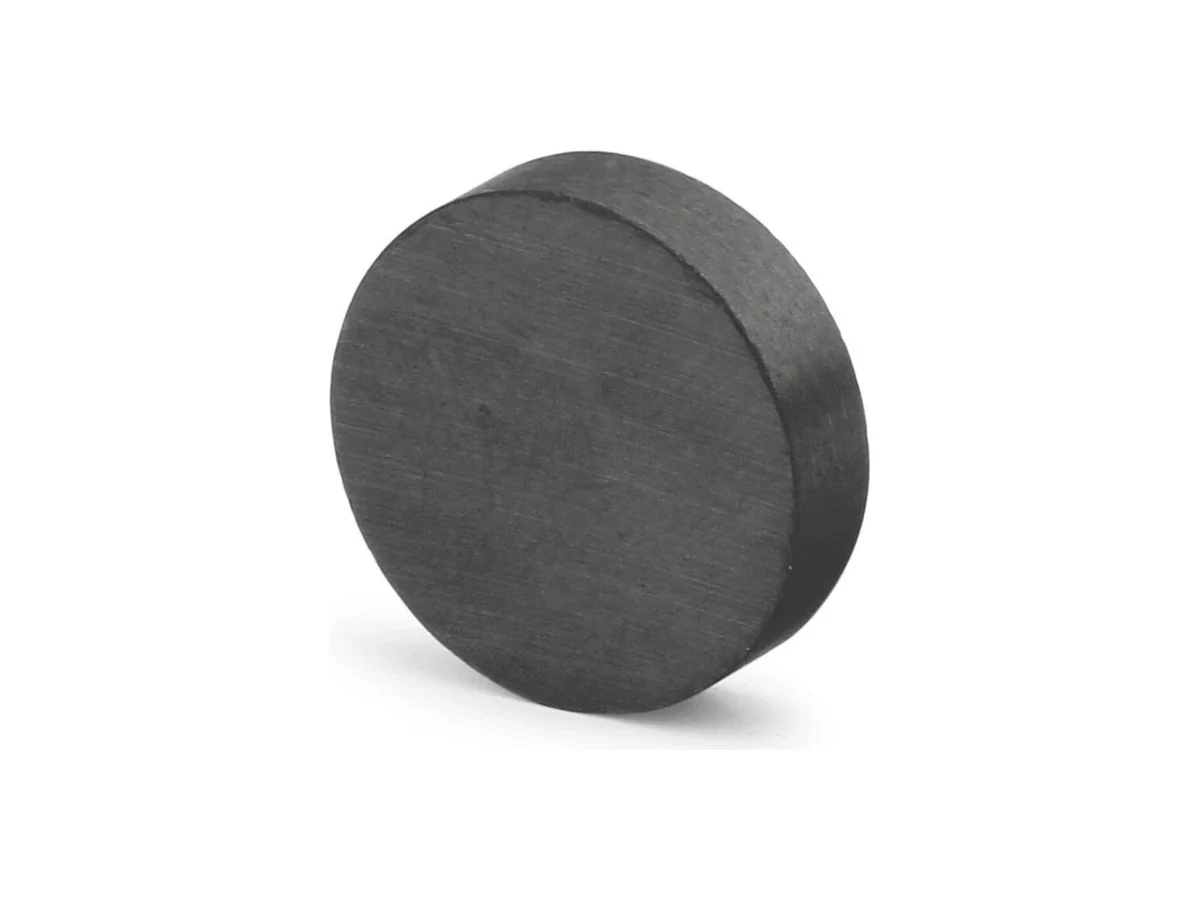
  • Hard ferrite disc magnets
    04

    Discs

    Round geometry for general industrial use

Technical reference

Ferrite data, kept intact.

The tables below preserve the legacy empiremagnets.com product information and reference values. Use them for first-pass selection; final acceptance values remain project-specific.

01

Application & grade guidance

5 reference rows Technical datasheet
ApplicationTypical SpecWhy this material
DC / appliance motorsY30 / Y30BHLow cost and robust high-volume performance
LoudspeakersY25 / Y30Large magnet volume at economical cost
Magnetic separatorsY40 anisotropicHigher ferrite energy for large field structures
Automotive sensing / small motorsY30BHTemperature-stable and corrosion-resistant
Consumer / craftsY10T isotropicLow-cost geometry with flexible magnetization direction
02

Isotropic vs anisotropic ferrite

3 reference rows Technical datasheet
TypeOrientationRelative performanceMagnetization flexibilityBest fit
IsotropicNo preferred particle orientationLowerCan be magnetized in multiple directionsCost-critical, multipole, consumer applications
AnisotropicParticles aligned during pressingHigherPreferred direction fixed by manufacturingMotors, speakers, separators
Wet-pressed anisotropicField-oriented slurry pressingHighest mainstream ferrite performancePreferred direction fixedHigher-performance motor segments / rings
03

Complete technical grade data

20 reference rows Technical datasheet
GradeBr mT (kGs)Hcb kA/m (kOe)Hcj kA/m (kOe)(BH)max kJ/m³ (MGOe) PDF
Y8T200-235 (2.0-2.35)125-160 (1.57-2.01)210-280 (2.64-3.52)6.5-9.5 (0.8-1.2) Datasheet
Y10T200-235 (2.0-2.35)128-160 (1.61-2.01)210-280 (2.64-3.52)6.4-9.6 (0.8-1.2) Datasheet
Y20320-380 (3.2-3.8)135-190 (1.70-2.39)140-195 (1.76-2.45)18.0-22.0 (2.3-2.8) Datasheet
Y22H310-360 (3.1-3.6)220-250 (2.76-3.14)280-320 (3.52-4.02)20.0-24.0 (2.5-3.0) Datasheet
Y23320-370 (3.2-3.7)170-190 (2.14-2.39)190-230 (2.39-2.89)20.0-25.5 (2.5-3.2) Datasheet
Y25360-400 (3.6-4.0)135-170 (1.70-2.14)140-200 (1.76-2.51)22.5-28.0 (2.8-3.5) Datasheet
Y26H360-390 (3.6-3.9)220-250 (2.76-3.14)225-255 (2.83-3.20)23.0-28.0 (2.9-3.5) Datasheet
Y26H-1360-390 (3.6-3.9)200-250 (2.51-3.14)225-255 (2.83-3.20)23.0-28.0 (2.9-3.5) Datasheet
Y26H-2360-380 (3.6-3.8)263-288 (3.30-3.62)318-350 (4.00-4.40)24.0-28.0 (3.0-3.5) Datasheet
Y27H370-400 (3.7-4.0)205-250 (2.58-3.14)210-255 (2.64-3.20)25.0-29.0 (3.1-3.6) Datasheet
Y28370-400 (3.7-4.0)175-210 (2.20-2.64)180-220 (2.26-2.76)26.0-30.0 (3.3-3.8) Datasheet
Y28H-1380-400 (3.8-4.0)240-260 (3.02-3.27)250-280 (3.14-3.52)27.0-30.0 (3.4-3.8) Datasheet
Y28H-2360-380 (3.6-3.8)271-295 (3.41-3.71)382-405 (4.80-5.09)26.0-30.0 (3.3-3.8) Datasheet
Y30370-400 (3.7-4.0)175-210 (2.20-2.64)180-220 (2.26-2.76)26.0-30.0 (3.3-3.8) Datasheet
Y30BH380-390 (3.8-3.9)223-235 (2.80-2.95)231-245 (2.90-3.08)27.0-30.0 (3.4-3.8) Datasheet
Y30H-1380-400 (3.8-4.0)230-275 (2.89-3.46)235-290 (2.95-3.64)27.0-32.0 (3.4-4.0) Datasheet
Y30H-2395-415 (3.95-4.15)275-300 (3.46-3.77)310-335 (3.90-4.21)27.0-32.5 (3.4-4.1) Datasheet
Y32400-420 (4.0-4.2)160-190 (2.01-2.39)165-195 (2.07-2.45)30.0-33.5 (3.8-4.2) Datasheet
Y32H-1400-420 (4.0-4.2)190-230 (2.39-2.89)230-250 (2.89-3.14)31.5-35.0 (4.0-4.4) Datasheet
Y40440-460 (4.4-4.6)290-330 (3.64-4.15)280-330 (3.52-4.15)~38-42 (~4.8-5.3) Datasheet
04

Physical properties

8 reference rows Technical datasheet
CharacteristicSymbol / UnitReference Value
Densityg/cc4.9–5.1
Vickers hardnessHv400–700
Compression strengthN/mm²680–720
Specific heat capacityJ/kg·°C795–855
Electrical resistivityμΩ·cm~1 × 10¹⁰
Curie temperature°C~450
Rev. temp. coeff. Br%/°C~−0.2
Rev. temp. coeff. Hci%/°C~+0.27

Reference values are reproduced from the legacy product pages. Confirm grade, test method, tolerance, coating, temperature class and inspection criteria against the released drawing and purchase specification.

Specification guide

Choose ferrite with the application in view.

Ferrite is the practical choice when unit cost, corrosion immunity and high-volume repeatability matter more than maximum magnetic energy density. Its larger magnetic circuit may be the key design trade-off.

A good fit when

The material earns its place.

  • High-volume motors, speakers and sensors
  • Outdoor or humid applications where ceramic corrosion resistance simplifies protection
  • Designs with enough package volume for a larger magnet
  • Programs prioritizing stable supply economics and no metallic coating
Check before release

Resolve these trade-offs early.

  • Ferrite needs more volume than rare-earth material for the same magnetic output
  • The ceramic body is hard and brittle; impact, chips and assembly stress require attention
  • Magnetizing fixtures and pole pitch can limit achievable performance in small or complex parts
  • Confirm temperature coefficient, mechanical retention and adhesive compatibility at the assembly level
RFQ preparation

Give engineering the information that changes the answer.

A drawing alone may not define the magnetic requirement. These inputs help us recommend the right grade, geometry, coating and inspection plan instead of quoting a generic part.

01

Available envelope

Share the maximum diameter, arc length, radial thickness and air gap. Ferrite selection often succeeds or fails on available magnetic-circuit volume.

02

Magnetic target

Provide pull force, flux density, torque or speaker sensitivity target together with the test fixture and measurement position.

03

Mechanical retention

Describe the housing, adhesive, press fit, shock, vibration and edge-clearance requirements for the ceramic part.

04

Volume and tooling

State annual demand, launch quantity and expected design life. Tooling and cavity decisions should be evaluated with the forecast.

Acceptance planning

Define the evidence before the first production order.

Inspection scope should follow the failure mode. We can align the report format, sample quantity and release criteria during drawing review.

01

Magnetic output

Agree on the property and fixture used for acceptance. For motor arcs, include pole orientation, matching and air-gap conditions.

02

Geometry and chips

Set critical dimensions, arc angle, flatness, edge condition and visual limits for chips or cracks.

03

Assembly retention

Validate adhesive or mechanical retention under the actual vibration, temperature and shock profile.

04

Batch consistency

Track material grade, cavity or tool identification, magnetizing setup and sampling plan across production lots.

Buyer questions

The short version before you send a drawing.

Why is ferrite often larger than NdFeB?

Ferrite has a lower maximum energy product, so the magnetic circuit may need more volume to reach the same air-gap performance. The final trade-off depends on geometry and system design.

Does ferrite need a coating?

Ferrite is a ceramic material and is generally corrosion resistant without a metallic coating. The housing, adhesive and exposed surface still need to be reviewed for the actual environment.

Is ferrite suitable for motor arcs?

Yes. Ferrite arcs are widely used in cost-sensitive motor designs when the available volume and required torque or speed are compatible with the material's magnetic performance.

Global magnet shipment preparation
Start a project

Send the drawing. Tell us
what the magnet has to do.

Our engineering team can review material, operating conditions, magnetic requirements, manufacturing route and validation needs before quotation.

RFQ channel rfq@china-empire.com
General service services@china-empire.com
Engineering review Drawings and requirements welcome